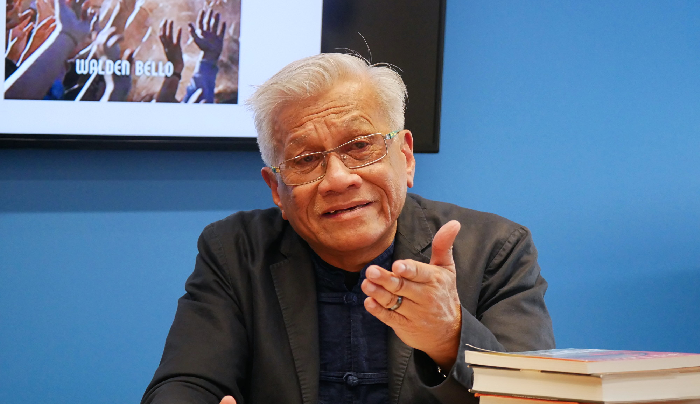
STATEMENT ON THE DEMISE OF JOSE SANTIAGO CHITO STA. ROMANA

STATEMENT ON THE DEMISE OF JOSE SANTIAGO CHITO STA. ROMANA

It is with grief and sorrow that we heard about the demise of his Excellency. Comrade Jose Santiago Chito Sta. Romana, Ambassador of the Philippines to China, a prominent fighter for peace and our respected friend.

His passing away is a great loss for not only his family but also people’s movements of the Philippines, as well as in Asia and Europe.

The Asia-Europe People’s Forum honours this charming personality, and especially to the great contributions to the work of the Peace and Security Cluster where he was a regular contributor. We remember his work for peace and human security.

The AEPF would like to convey its profound condolences to the family and loved ones of Ambassador Chito and strongly believe that his efforts to advance the cause of world peace will continue, and his tremendous contribution will be his legacy to us and generations to come.

In solidarity

Read More

Support to Dr.Walden Bello from Slanderous Statements

Support to Dr.Walden Bello from Slanderous Statements

Recently, a political party founded by Sara Duterte (daughter of Philippine President Rodrigo Duterte), incumbent Mayor of Davao City, and now vice-presidential candidate for the 2022 national elections—unfoundedly and maliciously labelled Former Member of The Philippines Congress Dr. Walden Belo as a “narco-politician.”

This attack is clearly intended to silence dissent and undermine free speech. This is not unprecedented under the Duterte regime. Anyone who dares to speak truth to power and criticize the administration and its allies are harassed or worse, killed. 

To draw international attention to this politically-motivated attack against Dr. Belo, hundreds of organisations and eminent individuals have released the following statement. 

Background Context

In a recent statement released by Hugpong ng Pagbabago (HNP or Alliance for Change), the regional party founded by Sara Duterte, daughter of Philippine President Rodrigo Duterte, activist-scholar Professor Walden Bello was unfoundedly and maliciously labelled as a “narco-politician.” 

Prof. Bello is currently running for Vice President under Laban ng Masa (Fight of the Masses), a left-wing electoral coalition of democratic socialist and progressive groups, against Sara Duterte and several other candidates for the May 2022 Philippine National Elections. Last March 20, 2022, in a televised debate, Prof. Bello called out the issue of illicit drug trade in Davao City, dubbing it the “Drug Center ” of Southern Philippines. Prof. Bello questioned why the former aide of Sara Duterte (Davao City’s incumbent Mayor) was exonerated and freed despite clear involvement in a recent drug bust in Davao. Prof. Bello also pointed out that Sara Duterte’s refusal to attend the said debate displayed a glaring lack of public accountability in confronting the said issue, against the backdrop of thousands killed in the Duterte administration’s deadly “war on drugs”.  

In retaliation, Prof. Bello was painted by the HNP “as a danger to peace and order and a threat to the anti-illegal drugs campaign of the government”, and accused of supporting the same drug trade he called out by supposedly withholding information from the authorities. This narco-tagging comes on top of Prof. Bello’s declaration as a persona non grata in Davao City (an act that further vilifies him), along with a 10-million peso (USD 192,000) “cyber libel” lawsuit filed by Sara Duterte’s former aide—a criminal case under Philippine laws that might lead to incarceration despite an ongoing trial.

Statement of Solidarity & Support for WALDEN BELLO amidst Narco-Tagging incident

WE, THE UNDERSIGNED INDIVIDUALS AND ORGANIZATIONS vehemently condemn these defamatory and dangerous actions against Prof. Bello. While the premise behind HNP’s accusation is both baseless and senseless, we are deeply concerned by the convoluted logic and narrative constructed against Prof. Bello due to their serious implications on his safety and security. Such accusations, in this case, are politically motivated; designed to induce prejudice and shift the burden of proof to those painted as involved in the illicit drug trade. Ultimately, it is to silence those who dare speak truth to power by exposing them not only to a trial by publicity but to the serious threats to life and liberty posed by the “war on drugs” campaign.

Prof. Bello’s reputation, credibility, and contributions as a progressive activist and public intellectual speak for themselves and are inconsistent with the imputations being hurled at him. Prof. Bello has been a key figure in the international human rights movement, being actively engaged in the advancement of democracy and social justice since the Marcos dictatorship. Furthermore, as the Right Livelihood Award (also known as the Alternative Nobel Prize) had described him, Prof. Bello has made a “major contribution to the international case against corporate-driven globalization as a human rights and peace campaigner, academic, environmentalist, and journalist.”

Prof. Bello has assumed different posts at various academic institutions in the Philippines, across Asia and the United States. Prof. Bello obtained his PhD in sociology from Princeton University in 1975 and is currently the International Adjunct Professor of sociology at the State University of New York at Binghamton. He has also served in varying positions with several well-respected policy think tanks and non-governmental organizations at the national, regional, and international levels such as Executive Director of Food First, Co-Founder and Co-Chair of the Board of Focus on the Global South, President of Freedom from Debt Coalition, Member and Former Chair of the Board of Greenpeace Southeast Asia, and Member of the Board of the International Forum on Globalization, the Transnational Institute, and Nautilus Institute, and Member of the ASEAN Parliamentarians for Human Rights.

Furthermore, as a human rights advocate, Prof. Bello has also been one of the vocal critics of Duterte’s “war on drugs.” Since 2016, he has stood in solidarity with various civil society and human rights groups condemning the campaign as a war against the poor and asserting that such a violent approach that narrowly seeks to eliminate alleged drug users and pushers will not address the root cause of the drug problem.

Narco-tagging or any other malicious form of political labelling against activists, dissenters, and opposing voices MUST NOT BE TOLERATED. If this can be done to Prof. Walden Bello—a globally renowned intellectual, human rights advocate, and former Philippine legislator, what more to ordinary people?

WE CALL ON all organizations, movements, networks and individuals committed to upholding human rights, democracy, justice and peace to condemn this irresponsible and life-threatening narco-tagging and the baseless cyber-libel lawsuit, and express our solidarity and support for Prof. Walden Bello, and all those who seek justice, public accountability and genuine democratic participation.

The statement remains open for more endorsements.  To endorse, please click:
https://docs.google.com/forms/d/e/1FAIpQLSeEJ9qA-lyAoe8Jskrdk5iflpO-MUIg5vXNNn_mQYlzkx8AcA/viewform

 

Read More

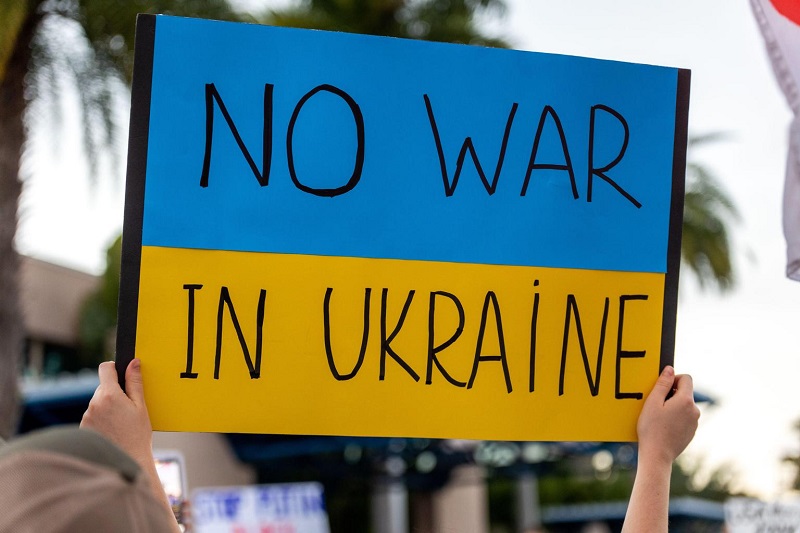
No to War in Ukraine

No to War in Ukraine

The Asia Europe Peoples Forum (AEPF) condemns the aggression and war by Russia in Ukraine. AEPF is opposed to all act of force and calls for an immediate cessation of hostilities and a return to dialogue. This Russian aggression is causing death and damage in immeasurable ways. We believe that war cannot be a solution and compromise and negotiation is the only way forward. Safeguarding human rights and human security should be at the center of the negotiated settlement between Russia and Ukraine.

It is evident that policies of competitive security and one sided military alliances have enhanced threat perceptions. This has led to a break down of dialogue leading to this terrible situation where ordinary people are facing the brunt of war.

We believe that inclusive and common security alone can lead to sustainable peace. For peace with justice an immediate ceasefire is essential. It would be positive to revitalise the Minsk Agreements, get the leadership of Ukraine and Russia back on the negotiation table, involve the the Council of Europe and the Organization for Security and Cooperation in Europe (OSCE) of which Russia is an affiliate to stand as guarantor of peace.

The real existential issues faced by people across the globe are climate change, inequities and lack of social justice and violation of rights. For this to be realized war and militarism should be collectively ended. We join peace movements and civil society across the world in appealing for a sustainable peace with justice.

Read More

EU: Time to Act on Human Rights Situation in the Philippines

EU: Time to Act on Human Rights Situation in the Philippines

February 20, 2022

Asia-Europe Peoples Forum (AEPF)

Statement on the European Parliament’s Urgent Resolution on the Human Rights Situation in the Philippines

 EU: Time to Act on Human Rights Situation in the Philippines


We, civil society organizations from Asia and Europe under the banner of the Asia-Europe Peoples Forum (AEPF) call on the European Commission (EC) to urgently act on the situation in the Philippines and initiate withdrawal procedures with respect to the Generalized Scheme of Preferences (GSP+) granted to the Philippines.

 Our call echoes  the concerns raised by the members of the European Parliament contained in two European Parliament Resolutions (2020/2782 and 2022/2540 (RSP)) on the human rights situation in the Philippines.

In its 2020 Resolution, the European Parliament already drew attention to the rapidly deteriorating human rights situation in the Philippines including the attacks on human rights defenders under President Duterte and the thousands of extrajudicial executions and other serious human rights violations linked to the government’s war on drugs.

Furthermore, serious concerns were already raised over the deteriorating level of press freedom in the Philippines and condemned all cases of threats, harassment, intimidation, unfair prosecution and violence against journalists. Two years ago, the European Parliament sounded the alarm already on policies like the newly adopted anti-terrorism law, and proposals to reinstate the death penalty that could further undermine human rights in the country and go against the human rights obligation of the Philippines.

 The latest urgent resolution highlighted, among others, the following critical developments that point to the failure of the Duterte government to address the issues and concerns raised: 

  1.   The Supreme Court upheld the legality of most of the Anti-Terrorism Act passed by President Duterte’s administration, which gives security forces the power to arrest and detain suspects for up to 24 days without a warrant and without bringing charges;
  1.   COVID-19 pandemic has further accelerated the deterioration of the human rights situation in the Philippines, particularly with regard to freedom of expression, media integrity and predictable enforcement, and has had grave repercussions on the capacity of the media and civil society to document such transgressions; whereas the most vulnerable communities in urban areas have been seriously affected by the police and the military’s use of violence to enforce quarantine;
  1.   The UN High Commissioner for Human Rights, Michelle Bachelet, in her most recent report on the Philippines of 7 October 2021, stressed that continuing and severe human rights violations and abuses across the country are taking place and that basic human rights standards are being ignored;
  1.   The ICC pre-trial chamber announced that it had authorised the Office of the Prosecutor to open an investigation into crimes against humanity including murders committed in the context of the ‘war on drugs’ under the administration of President Duterte and also into those allegedly perpetrated in Davao City by the so-called Davao Death Squad from 2011 to 2016
  1.   The Philippine House of Representatives adopted at third reading House Bill No 7814, which according to the Philippines Human Rights Commissioner ‘provides for presumptions of guilt for people accused of being traffickers, financiers, protectors, coddlers and/or being involved in illegal drugs’ and ‘also attempts to reintroduce the death penalty’;
  1.   The adoption of the Human Rights Defenders Protection bill, passed by the House of Representatives, is still pending in the Senate

As civil society organizations in both the EU and Asia that follow the developments in the Philippines, and have worked closely with Philippine CSOs and movements,  we supported the grant of special trade preferences to the Philippines in 2014 under the EU’s Generalized Scheme of Preferences (GSP+). GSP+ is meant to advance sustainable development and good governance in the Philippines. These privileges were granted on condition of the Philippine government’s fulfillment of its obligations under the 27 conventions on human and labor rights. 

Given the seriousness of the human rights violations in the country, the European Parliament has once again called on the European Commission to immediately initiate the procedure, which could lead to the temporary withdrawal of GSP+ preferences. 

We support this renewed call, which echoes similar calls made by Philippine groups, and urge the European Commission to take decisive actions to initiate the process of withdrawal of these preferences.

Read More

AEPF Congratulates the Indian Farmers on their historic victory

AEPF Congratulates the Indian Farmers on their historic victory

December 13, 2021

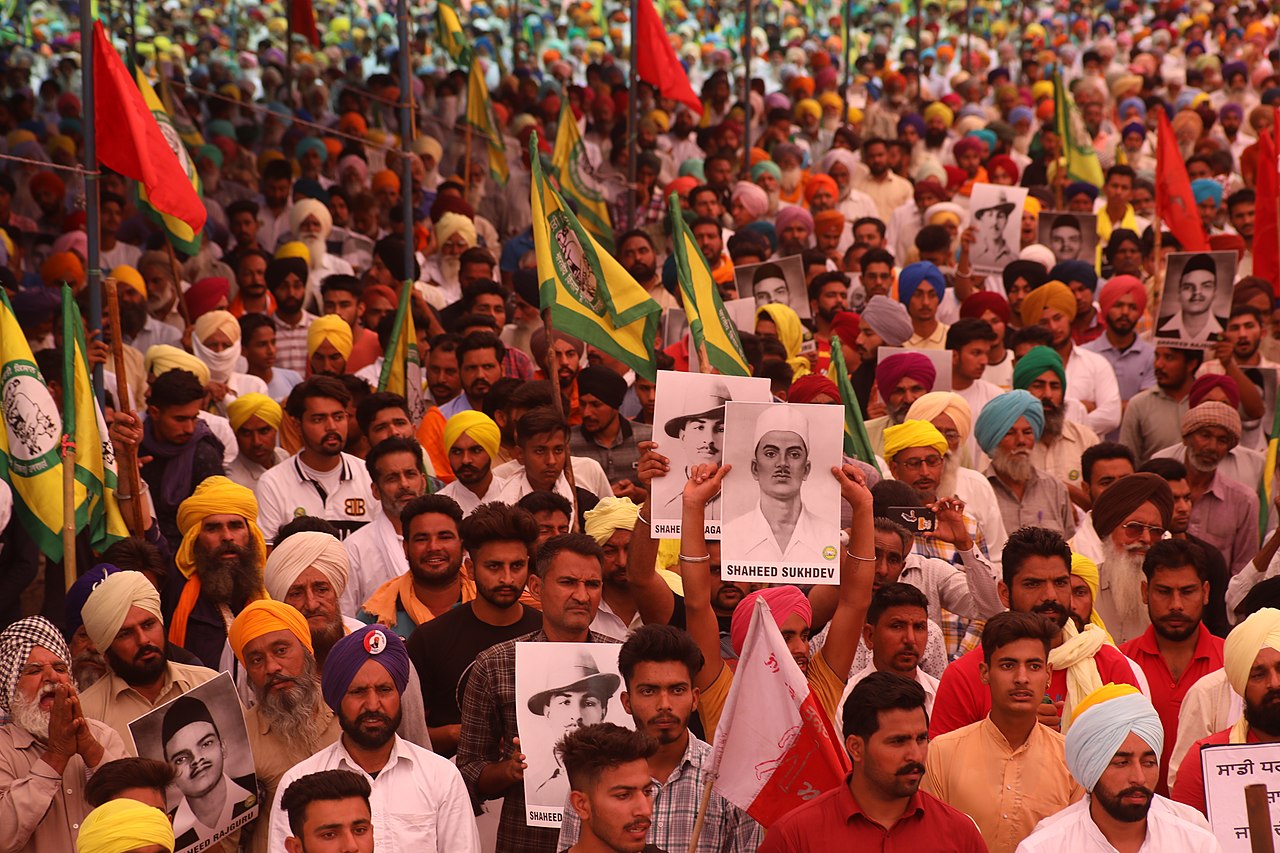
The AEPF congratulates the Indian farmers’ on their victory as the Government of India conceded to their demands after one year of non-stop protests. We pay homage to the over 700 lives martyred in the course of this struggle as the farmers braved a hostile environment and adverse weather conditions as they camped in the open on the borders of New Delhi.

The AEPF believes that this victory is shared by peoples’ movements world over as the farmers’ struggle goes beyond their own livelihood, to ensure that food prices remain affordable, that food growers retain dignity and the right to their labour and food sovereignty. The Indian farmers’ movement succeeded in halting laws that facilitate the corporatization of food production and distribution systems, and thereby dealt a blow to neoliberal reforms.

The AEPF lauds that women joined this movement in great numbers in their own right as cultivators and agriculturists. This movement collectively thwarted attempts to break its unity and demonise social movements. The Indian farmers movement has restored the majesty of non violent mass movements with a collective and responsible leadership that arose from within the struggle through discussions and negotiations across many political worldviews. This movement generated its own cultural symbols, songs, creative expressions, and expressed solidarity with other smaller movements and expressions of democracy like minority rights and accountable dissenters.In a word this movement has been a model of resistance that deepens democracy that has seen erosions in India as in many other parts of the world.

The leadership- Samyukt Kisan Morcha (SKM) has resolved to take forward the interests of the farmers and workers. The AEPF once again congratulates them and stands in solidarity with them.

Save the Date:
Dare to Win: Building on Lessons from the Indian Farmers Movement

Date: January 20, 2022
Time: 10 CET
Webinar

Read More

Peace and Common Security Advocates from Around the World Oppose QUAD (Japan, India, US, Australia), & AUKUS (Australia, UK, US) Militarism & Urge Common Security Collaborations to Address Existential Nuclear, Climate & Pandemic Threats

Peace and Common Security Advocates from Around the World Oppose QUAD (Japan, India, US, Australia), & AUKUS (Australia, UK, US) Militarism & Urge Common Security Collaborations to Address Existential Nuclear, Climate & Pandemic Threats

Meeting on the eve of the QUAD alliance summit, peace, justice and common security advocates from the QUAD and AUKUS member countries, and Australia, Philippines, Vietnam, Japan, South Korea, India, Britain, Germany, and the U.S. met to analyze and build opposition to the dangerous and increased militarism of the QUAD and AUKUS alliances.

The incipient coalition decries the QUAD and AUKUS alliances which dangerously intensify geostrategic military tensions with China. In addition to increasing the dangers that accidents or miscalculations to trigger escalation to catastrophic wars, this increased military competition seriously undermines the possibility of U.S.-Chinese and broader international cooperation to reverse the existential threats of nuclear weapons, the climate emergency, and pandemics. The strategic competition between the great powers includes the danger of a great power war which will destroy the planet.

Opposing the recently announced U.S.-Australian-British alliance, Australian peace organizations are demanding that Australia not become a staging point for the U.S. military, that Australian sovereignty not be abrogated to the U.S. and their government must not encourage the nuclear proliferation and risk environmental catastrophe inherent in the agreement to purchase submarines powered by highly enriched uranium.

President Biden has spoken of an inflection point. Negotiation and announcement of the AUKUS alliance indeed marks a dangerous turning point in geostrategic situation. Among them:

  • Instead of increasing stability and security, the QUAD and AUKUS alliances fuel dangerously spiraling cold war-like arms races that must be reversed with common security diplomacy.
  • The transfer of highly enriched uranium and related technologies to Australia, violates the Nuclear Nonproliferation Treaty, and encourages nuclear weapons proliferation. It provides Australia with resources needed to become a nuclear power, and significant political and military figures in India, South Korea and Japan ask why they have been denied these capabilities.
  • Announcement of the AUKUS alliance has disastrous global strategic ramifications. Coming on the heels of the precipitous NATO withdrawal from Afghanistan, the Biden Administration has again acted without consulting its NATO allies. This fuels calls from European and E.U. leaders to create an independent European military superpower. The new military alliance strengthens worldwide the arms race
  • The AUKUS alliance increases pressure on ASEAN and other nations to choose between sides in a way that compromises their independence.

Forty years ago, the adoption of common security diplomacy played major roles in the negotiation of the Intermediate Nuclear Forces Treaty and the end of the Cold War. The new international peace coalition is committed to building international pressure for Indo-Pacific demilitarization and common security diplomacy to address and reverse the existential threats posed by nuclear weapons, the climate emergency, and pandemics.

No to military alliances and preparation for catastrophic wars. Yes to peace, disarmament, justice, and the climate.

(Signatories as of 0400H Manila time of Sept.25, 2021)

International Peace Bureau
Asia Europe Peoples Forum – Peace and Security cluster
Independent and Peaceful Australia Network
Australian Anti Bases Campaign Coalition
Campaign for Peace, Disarmament and Common Security
Global Network Against Weapons & Nuclear Power in Space
Guahan Coalition for Peace and Justice (Guam)
Le Mouvement de la Paix (France)
Veterans For Peace Chapter 113 Hawaii
Peace Women Partners, Philippines
Action for Sovereign Philippines
I Hagan Famalao’an Guahan, Inc. (Guam)
KILUSAN (Movement for National Democracy) Philippines
KAISAKA (Unity of Women for Liberation) Philippines
Maui Peace Action (Hawaii)
Bukluran ng Manggagawang Pilipino (Solidarity of Filipino Workers/BMP) Philippines
Committee for a Sane U.S.-China Policy (US)
Philippine Women’s Network for Peace and Security
Hawaiʻi Peace and Justice
ʻOhana Koa / Nuclear Free and Independent Pacific
Blue Banner Mongolia
Initiatives for International Dialogue
ALAB Katipunan (Philippines)
Japan Asia Africa Latin America (Japan)
MapaladKa Peace Movement (Philippines)
Communist Party of Australia
Malu ‘Aina Center For Non-violent Education & Action
Dap-ayan ti Babba-I (North Luzon, Philippines)
YouWin (Young Women’s Initiatives)
Kauai Women’s Caucus (Hawai’i)
‘Those listed above have signed in a personal capacity only and the organisations associated with them are for identification purposes.”
Read More

AEPF Statement on Bangladesh Factory Fire

AEPF Statement on Bangladesh Factory Fire

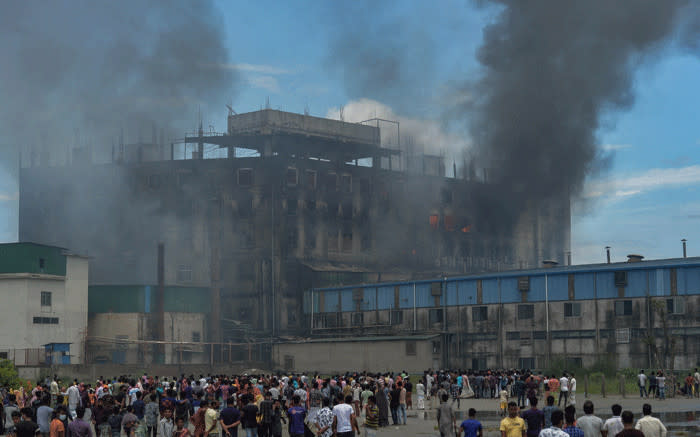
A food and beverage factory in Bangladesh was engulfed in fire killing at least 52 workers and injuring more than fifty others. The workers were trapped inside the building since the only exit had been locked. This illegal practice to force workers to remain inside the factory has led to this terrible tragedy. This once again reveals the extremely callous standards of safety that come to public notice only when a tragedy of such magnitude occurs.

The number of actual deaths are yet to be ascertained as many more workers are feared to be trapped in the fifth and the sixth floor of the building which continued to burn even after 24 hours of the incident.

The factory is owned by Sajeeb Group, a Bangladesh company producing juice under Pakistan’s Lahore-based Shezan International for exports to Australia, the US, Malaysia, Singapore, India, Bhutan, Nepal and to the Middle East and Africa. The AEPF condemns this massacre and culpable homicide, and stands in solidarity with the working people of Bangladesh.

Bangladesh has a dismal record of industrial safety and has many previous incidents including factories catching fire with workers locked inside. According to Bangladesh labour laws no factory can lock its exit during working hours and when the production is on. However, the laws are routinely flouted resulting in workers getting charred inside as it happened nine years ago at Tazreen Fashions garment factory killing at least 112 workers.

It is also no coincidence that most of these accidents are happening at export oriented units which employ workers at a pittance and flout safety measures at will. The factory owners also resort to beatings and other threats and intimidation to coerce workers and to stop them from unionising. Even though Section 195 of the Bangladesh Labour Act (2006, amended 2013) prohibits such practices, their implementation remains very weak. Additionally, women workers are super-exploited and often abused.

After the Tazreen Fashions fire and Rana Plaza collapse, international bodies including the ILO emphasised the necessity for enhancing safety and working conditions in the garment and other industries but these calls went largely unheeded. In its 2017 report the ILO has acknowledged that the country’s regulatory framework and inspections “had not been able to keep pace with the development of the industry”. Similar concerns about the workers safety and security were also raised by a number of monitoring agencies and labour rights campaigners.

The AEPF denounces this wilful neglect of workers’ lives and condemns the factory owners, the international buyers and the authorities for such repeated disasters. We also demand the:

  • Immediate establishment of a high level committee by the concerned authorities to investigate this incident, identify the responsible entities and recommend strong steps to prevent any more incidents of this nature. The committee must include workers’ representatives and safety experts.
  • The concerned authorities must initiate criminal prosecution against all those who are culpable – directly or indirectly, and they must be sentenced to rigorous imprisonment.

The government must ensure a fair, just and timely compensation for the families of the killed and, no doubt, permanently disabled by the corporate negligence.

  • Immediate enforcement of safety measures and proper working conditions.

  • Guaranteeing decent living wage and working conditions of workers.

  • Stop union busting and allow workers to organise and form their associations.

https://www.dhakatribune.com/bangladesh/nation/2021/07/09/narayanganj-factory-fire-rages-on-many-feared-dead
https://www.dhakatribune.com/bangladesh/2021/07/10/narayanganj-factory-fire-many-child-workers-still-missing
https://www.theguardian.com/world/2021/jul/10/bangladesh-police-arrest-factory-owner-after-dozens-die-in-fire?CMP=Share_AndroidApp_Other

Asia Europe Peoples’ Forum 

Read More

Global MPs form International Parliamentarians Alliance for Myanmar

“Global MPs form International Parliamentarians Alliance for Myanmar”

JAKARTA – Lawmakers from across the world have come together to form the International Parliamentarians Alliance for Myanmar (IPAM). The Alliance’s first meeting included 24 members of parliament (MPs) from 12 countries, spanning from Canada, through Europe, Pakistan, Thailand, Japan and all the way to Australia and New Zealand.

The MPs committed to join forces and use their position inside and outside of parliament to support fellow lawmakers from Myanmar, including members of the Committee Representing the Union Parliament (CRPH), to promote democracy and human rights for all in Myanmar, and ensure accountability for international crimes.

The people of Myanmar need support now, as bullets are being fired, prisons filled, and lives stolen by a ruthless military. As parliamentarians it was evident to us that we needed to come together and form a united front against the Myanmar army’s unrelenting attack on democracy and human rights,” said Heidi Hautala, Member of the European Parliament.

Our message is clear, we as elected representatives will use our voice to support the people of Myanmar in their quest for democracy,” said Jamie Parker, Member of the New South Wales Parliament of Australia. “Working collectively will strengthen our respective actions, and present the Myanmar military junta and the international community with unified calls and a clear path forward.” 

The initial meeting of the Alliance was convened at the initiative of the ASEAN Parliamentarians for Human Rights (APHR), with a view to connecting lawmakers with Myanmar civil society and MPs, to provide a forum for developing joint international and regional strategies, and to serve as a consistent public voice for democracy and human rights for all in Myanmar.

“Our first action will focus on supporting Myanmar MPs currently being detained or forced into hiding when their only crime has been to be elected by the people of Myanmar to serve in Parliament,” said Charles Santiago, Member of Parliament of Malaysia and Chair of APHR. It is our duty to stand with our colleagues when they face life threatening risks and when the institution of Parliament is being attacked.” 

Members of the Alliance agreed to help gather signatures of parliamentarians around the world for a statement calling for the immediate release of their Myanmar colleagues, and to introduce in their respective parliaments a resolution or motion condemning the coup.

provide a forum for developing joint international and regional strategies, and to serve as a consistent public voice for democracy and human rights for all in Myanmar.

Here is the link for you to sign as well: https://aseanmp.org/2021/03/22/international-lawmakers-call-for-the-immediate-and-unconditional-release-of-their-myanmar-colleagues-and-for-democracy-to-be-upheld/

Read More

“Stop Vaccines Monopoly: TRIPS Waiver Now! No to Third Way!”

“Stop Vaccines Monopoly: TRIPS Waiver Now! No to Third Way!”

Asia-Europe People’s Forum Statement: Responding to The Result of The TRIPS Council Meeting on 10-11 March 2021

AEPF, 12 March 2021. We, Asia-Europe People’s Forum (AEPF), join  the global demand  to all WTO members and DG WTO, Ngozi Okonjo-Iweala, to immediately reach an agreement on the TRIPS Waiver Proposal as the solution supported by majority of members in addressing the access inequality of Covid19 vaccines to end the Pandemic.

Around 200 people in Asia and Europe have lent their support to the campaign and growing peoples movement by sending a strong message highlighting  the importance of TRIPS Waiver to allow all, but especially the poor nations open and equitable access to vaccines in order to address this global pandemic.

The delay in the approval of  TRIPS Waiver at the TRIPS Council reinforces the view that the WTO is an institution that is driven by the interest of the rich and powerful. We deplore the efforts of the rich countries and the big pharmaceutical companies to  the Covid19 pandemic an opportunity to secure windfall  profits over and  above the humanitarian crisis and the interest of people across the globe.  This issue over vaccine monopoly must be resolved through global solidarity action.

The “Third Way” promoted by the DG WTO to supposedly improve access “through facilitating technology transfer within a multilateral regulatory framework” and by pharmaceutical companies entering into licensing agreements to enable other producers to produce vaccines and other products will not address the problem of vaccine monopoly.

“Third Way” proposal offered by DG WTO should be rejected. The voluntary licensing is confidential and restrictive. There is a serious lack of transparency as the terms of the license are usually confidential and still provides exclusive rights to pharmaceutical companies.  The geographic scope of the proposal is also limited excluding many developing countries from being supplied under the license agreement or allowing for manufacturing only for purposes of export (can you rephrase this please? Its not clear, Are we saying it allows only for export from countries with manufacturing capacity?; license is only offered as well to very specific manufacturers presumably aiming to limit supply; and  the restrictive terms on the source and production of active pharmaceutical ingredients (APIs)[1].

In this regard, we emphasized that we don’t need a compromise solution, but we want to TRIPS Waiver as solution endorsed by developing countries to abolish the monopoly of vaccines. The TRIPS Waiver proposal must be reached immediately to end the COVID-19 pandemic.

The TRIPS Waiver proposal is a proposal submitted by India and South Africa in October 2020 at the WTO but has since been endorsed by 100 developing countries to allow all countries not to implement the TRIPS Agreement which regulates patent protection, copyright, and related rights, industrial design, protection of undisclosed information, which is directly related to drugs, diagnostic tests, vaccines and other technologies regarding COVID-19 in the course of the pandemic. However, wealthy countries such as Australia, Brazil, Canada, European Union, Japan, Norway, Switzerland, the UK, and the US, still hold back their support for the proposal considering that they have traditionally been supporters of the interests of pharmaceutical companies through the Intellectual Property Rights (IPR) monopoly system. ****

With Solidarity:
Indonesia for Global Justice, Focus on The Global South, Global Justice Now-UK, Transnational Institute

Contacts:

Rachmi Hertanti, IGJ: rachmihertanti@gmail.com
Joseph Purugganan, Focus: josephp@focusweb.org
Dorrothy Guererro, GJN: Dorothy.Guerrero@globaljustice.org.uk
Pietje Vervest, TNI: pietje.vervest@tni.org

Read More

AEPF STATEMENT: RESTORE DEMOCRACY IN MYANMAR. STOP THE BRUTAL REPRESSION OF PEOPLE!

AEPF STATEMENT: RESTORE DEMOCRACY IN MYANMAR. STOP THE BRUTAL REPRESSION OF PEOPLE!

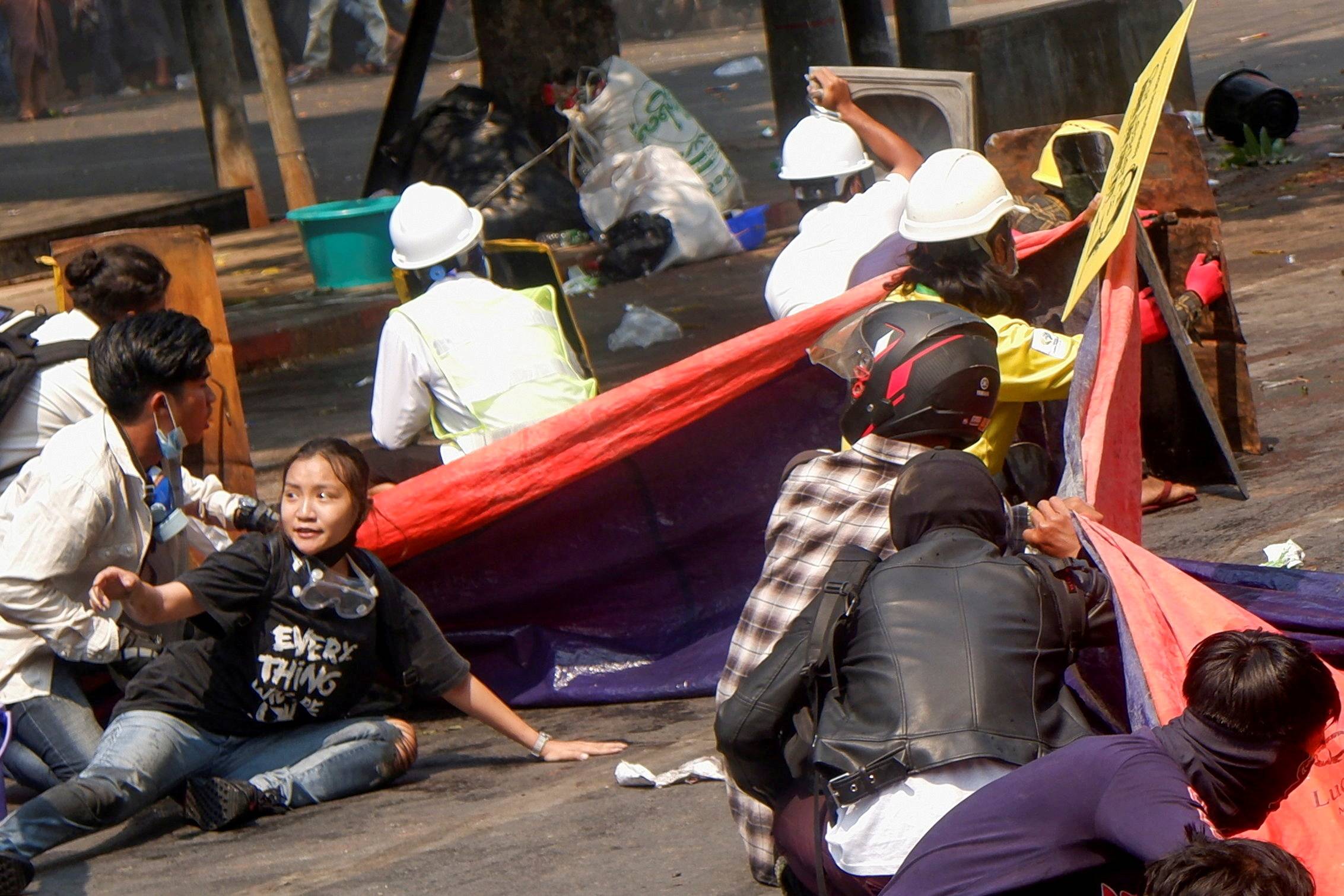
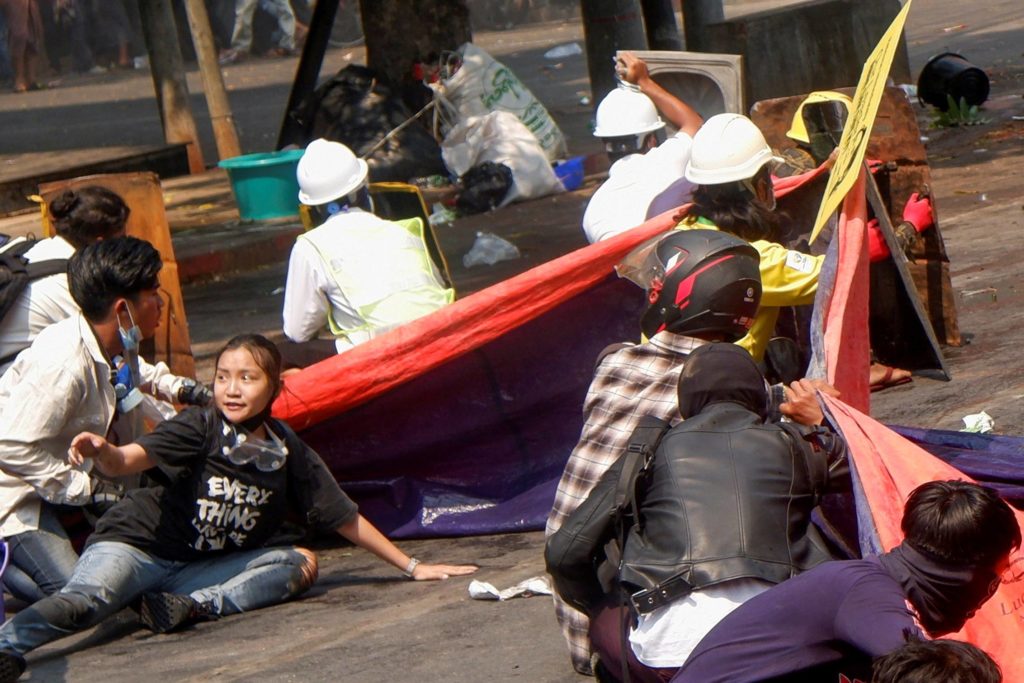
Protesters lie on the ground after police opened fire to disperse an anti-coup protest in Mandalay, Myanmar, March 3, 2021. Among them, Angel, 19, bottom-left, also known as Kyal Sin, took cover before she was shot in the head. REUTERS/Stringer TPX IMAGES OF THE DAYThe AEPF expresses solidarity with the people of Myanmar who are bravely resisting the military coup that reversed the fragile democratic process that was unfolding in Myanmar.

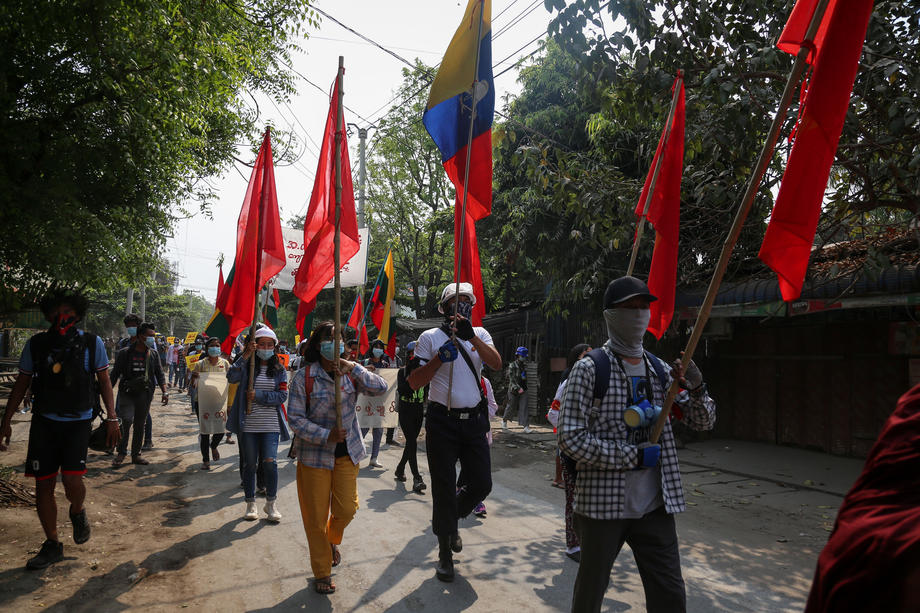
The world is witnessing a brutal crackdown where all kinds of force and intimidation are being used on the nonviolent, civil mass resistance that seeks to restore democratic forces, release from incarceration elected representatives and civil society leaders, and restore civilian rule and processes. The people of Myanmar want an end to the emergency and return to an atmosphere of freedom, peace and genuine stability.

After decades of military rule characterized by brutal atrocities and human rights abuse, especially against ethnic nationalities, the people of Myanmar were beginning to emerge from a climate of fear and intimidation to one where they could build democratic institutions and move towards a federal state. By seizing power forcefully on February 1 2021, the Myanmar military annulled the November 2020 elections just as the new parliament was to convene. Since then, the military regime has been using battle tactics to control opposition to the coup from a massive civil disobedience movement which includes many civil servants and workers on strike.

Many peaceful protestors are being killed every day.

Years of authoritarian control and international sanctions had thwarted economic and social developments in Myanmar that woefully lags behind its South East and South Asian neighbors key social indicators. The people of Myanmar have been deeply impacted by the militarization of daily life, lack of freedoms and poor public infrastructure for essential services.

On March 10, the United Nations Security Council unanimously condemned the violence against peaceful protestors, and called for an immediate reversal of the military coup and return to civilian power. On March 11, UN Special Rapporteur on the Situation of Human Rights in Myanmar, Thomas H. Andrews, stated in the UN Human Rights Council that the numbers of murders, arbitrary detentions increases every day. Freedoms of association, assembly and expression are destroyed. Since the coup, thousands of people from ethnic minorities have been attacked and displaced. The level of abuse could qualify as genocide. The UNHRC called for an emergency Coalition for the People of Myanmar that would propose concrete actions. Andrews statement outlined five options that could be taken immediately:

  1. Stop the flow of funds to the junta, including by imposing targeted sanctions on the Junta’s business enterprises and on Myanmar Oil and Gas Enterprises, the single largest source of revenue to the State of Myanmar;
  2. Impose an international arms embargo;
  3. Ensure accountability for the crimes, through national courts using universal jurisdiction if the Security Council is unwilling to refer the matter to the International Criminal Court;
  4. Work directly with local civil society and aid organizations to provide humanitarian assistance whenever possible;
  5. Deny recognition of the military junta as the legitimate government representing the people of Myanmar.

The AEPF stands in solidarity with the people’s non-violent resistance and calls for all measures to be taken to urgently end the coup, restore civilian processes in Myanmar, and support the demands of the people of Myanmar for participatory democratic transition and a federal state.

Signed,
Asia Europe People’s Forum

Read More