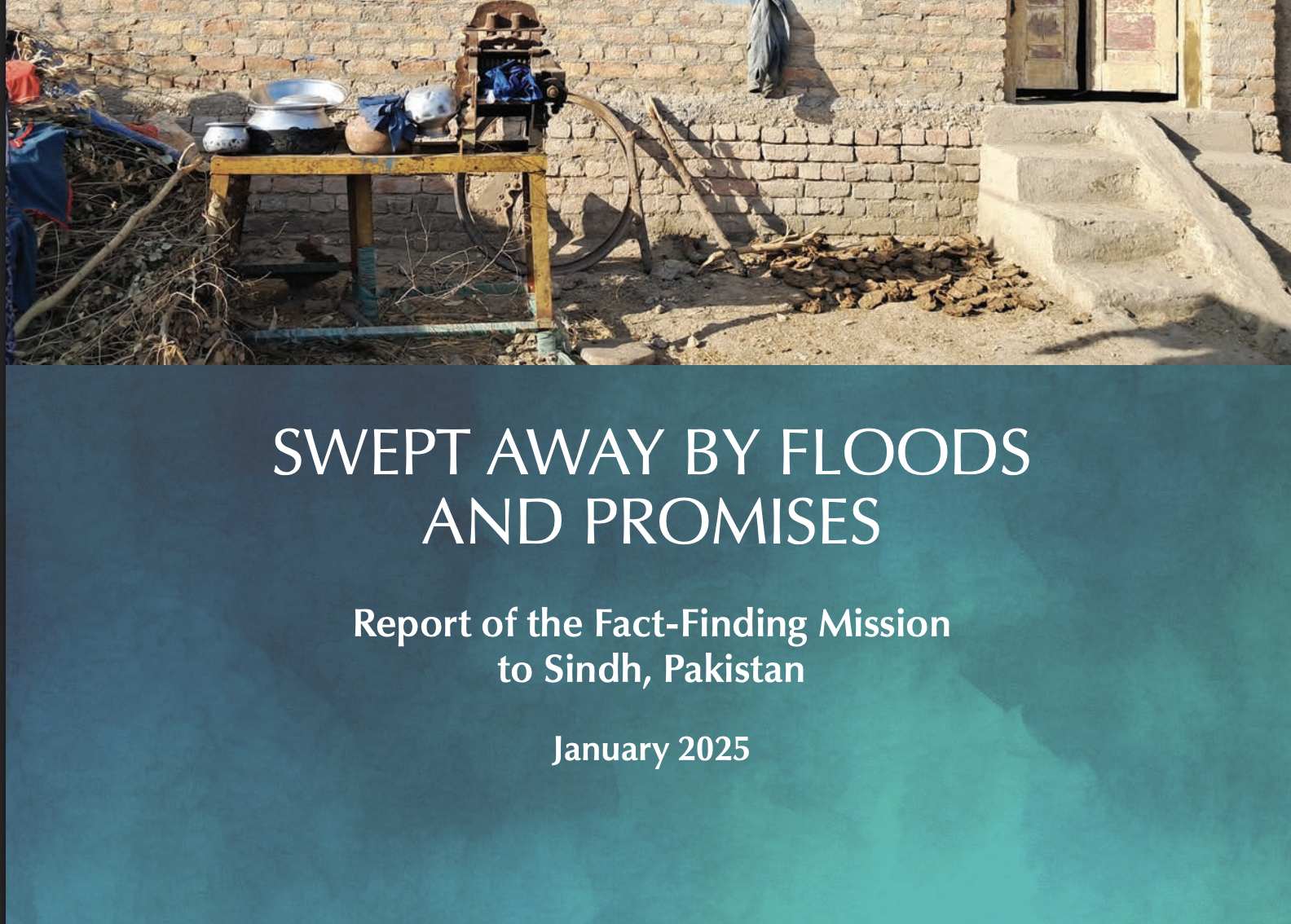
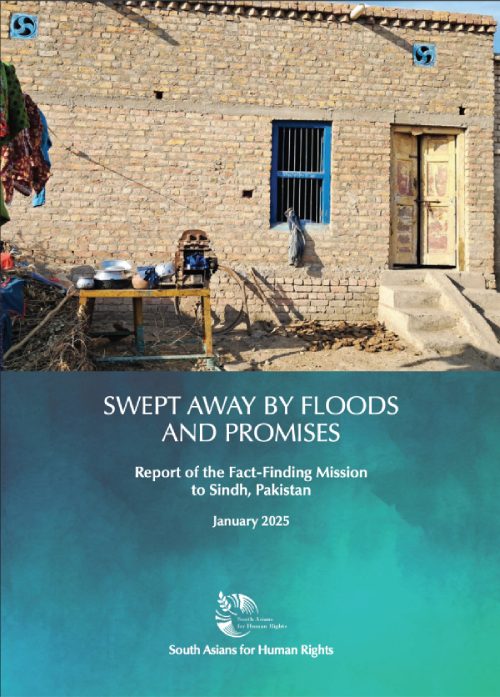
Swept Away by Floods and Promises: Report of the SAHR Fact Finding Mission to Sindh, Pakistan

Swept Away by Floods and Promises: Report of the SAHR Fact Finding Mission to Sindh, Pakistan

Nearly three years after the floods in 2022, South Asians for Human Rights (SAHR) conducted this fact-finding
mission in the Sindh province. The mission’s objective was to investigate whether the flood-affected population’s rights were respected, protected and fulfilled during the recovery process. However, the findings revealed that the flood response failed to meet the basic human rights standards established in Pakistan’s Constitution and the international commitments of
the State.

The 2022 floods represent a critical moment. The choices made now in relation to Sindh’s ongoing recovery will determine whether future climate disasters continue to subvert people’s rights or become opportunities to implement climate justice in both letter and spirit. This report identifies both the urgent necessity and potential pathways for positive change – recommending systems where recovery enhances the capabilities
of those facing the greatest climate impacts while fulfilling their fundamental rights to dignity, security and participation.

Download the Report

Read More

Our Future is Public: Energy Democracy Movements Declaration

Our Future is Public: Energy Democracy Movements Declaration

The Energy Democracy Declaration is a result of a two-day Energy sector meeting as part of the international Our Future is Public conference in Santiago, Chile, that involved Indigenous representatives, trade unions, ecofeminists, climate justice organisations, solidarity collectives and NGOs. It outlines six dimensions that can jointly pave the way forward to ensure clean, affordable energy for all.
Download: Our Future is Public: Energy Democracy Movements Declaration  (PDF)

Introduction

It has never been clearer: profit-driven energy corporations have influenced governments, international institutions and UN environmental conventions in support of policy decisions that favour greed and capital accumulation. As such, these policies are failing to prioritise ecological and human needs. There are severe and deep cracks in the blind faith in neoliberal market economics, founded upon decades of privatisation, extraction and exploitation.

As billions across the world face energy poverty and record high energy bills, this is a crucial moment to transition towards a public energy system rooted in justice, solidarity and democracy. It is time to unite globally to put the care of people and our planet before profit.

As we rise up against injustice, we work together for energy democracy. We see the fight for energy democracy as part of the wider struggle towards climate justice that acknowledges the intersections between racism, classism, capitalism, economic injustice, gender exploitation, and environmental harm. We need to make the necessary systemic changes to realign our economies with our natural systems. From local collectives to regional, national and international transformations: we have solutions. There are social and technological challenges ahead of us. There are also false solutions to the climate crisis which replicate colonial capitalist patterns. Yet groups fighting for energy democracy at all levels of society are leading resistance and remedies towards a better future.

We stand at a turning point at the intersection of multiple crises. How do we end energy poverty without further fossil fuel extraction? What does it look like to decolonise and dismantle exploitative energy policies at local and international levels? How do we actualise reparations with and for global South countries on the frontlines of the climate crisis so that they can decarbonise? How do we develop participatory planning and ensure equity in new energy models?

Ultimately, we have the choice of two energy transitions: green colonial imperialism or energy democracy underpinned by equitable public ownership. The latter ignites a fundamental shift in how we understand, value, consume and manage energy beyond economic cost.

It is time to

  • Decarbonise – Democratise – Deprivatise – Decolonise
  • Depatriarchalize – Demarketise – Decommodify – Degrow
  • Our global, regional, national and local energy systems!

Support the global movement to reclaim our energy systems.

Support the Declaration 


Read More

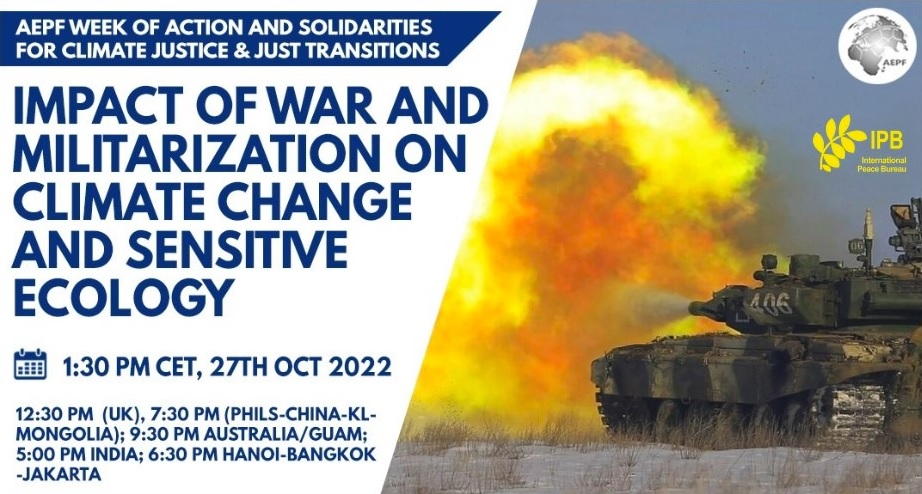
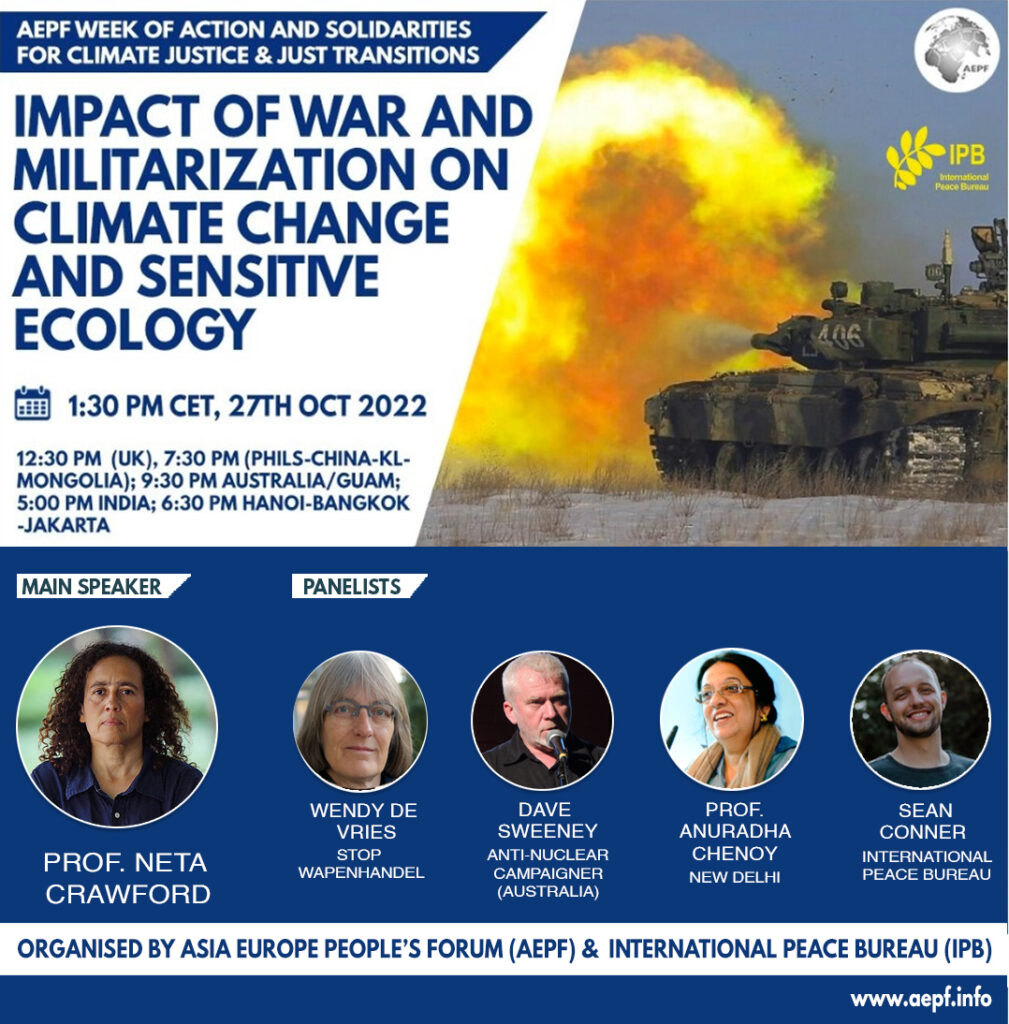
Impact of War and Militarization on Climate Change and Sensitive Ecology

Impact of War and Militarization on Climate Change and Sensitive Ecology

Watch the Webinar:

The Russian aggression on Ukraine and the NATO response has put Climate on the back burner. Join our experts to discuss the connections between war and militarisation.

Main Speaker: Prof. Neta Crawford

Panelists:

  • Wendy De Vries: Transnational Institute
  • Dave Sweeney: Australian anti-nuclear campaigner
  • Professor Anuradha Chenoy (New Delhi)
  • Sean Conner: International Peace Bureau


Read More

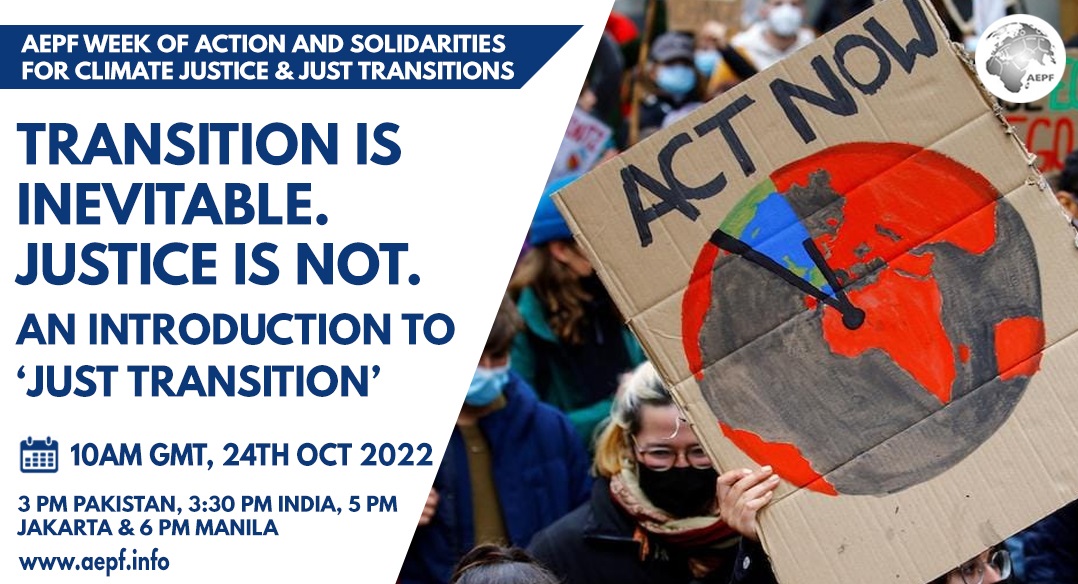
Transition is Inevitable. Justice is Not. (An introduction to ‘Just Transition’)

Transition is Inevitable. Justice is Not. (An introduction to ‘Just Transition’)

Watch the Webinar:

Experts discuss what is ‘Just Transition’ from climate and ecological threats

Speakers:

  • Bert De Wel (ITUC)
  • Tasneem Essop CAN I (Climate Action Network International)
  • Luke Espiritu (BMP – Solidarity for Workers Philippines)
  • Shalmali Guttal (Focus on the Global South)
  • Asad Rehman (War on Want)

Moderators: (Kris Vanslambrouck (11.11.11) – Claire Miranda APMDD)

Organisers: Asia Europe People’s Forum (AEPF) and Asian Peoples’ Movement on Debt and Development (APMDD)


Read More

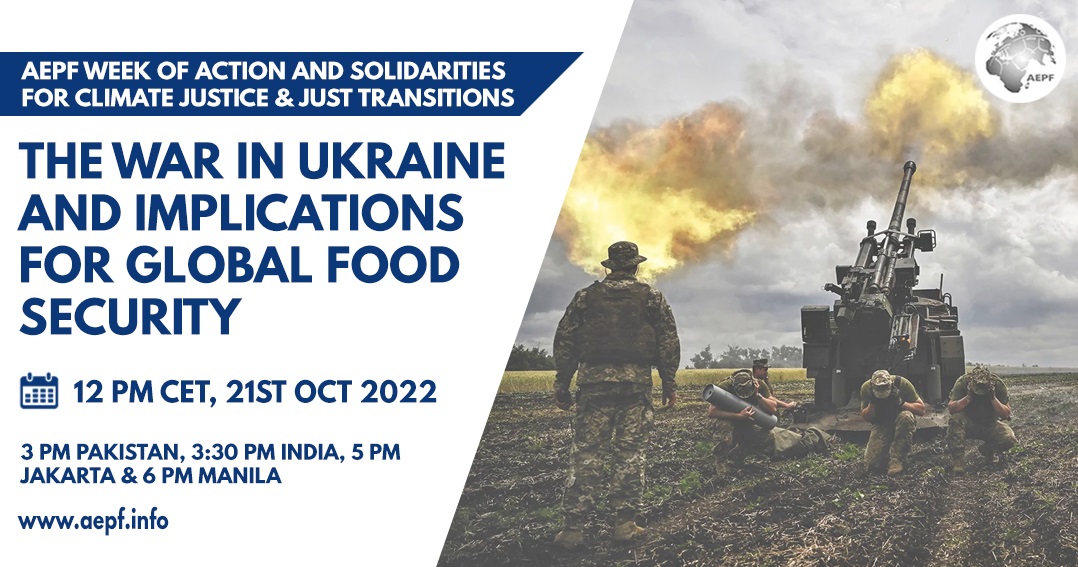
The War in Ukraine and Implications for Global Food Security

The War in Ukraine and Implications for Global Food Security

Watch the Webinar


The war in Ukraine has led to food shortages, inflation and food insecurity. Our experts examine this interconnection.

Speakers:

– Anna Danyliak, (Ecoaction, Ukraine)
– Nick Jacobs (IPES Food )
– Farooq Tariq, (Pakistan Kissan Rabita Committee)
– Bianca Martinez, (Focus on Global South). — Sandeep Chachra (Action Aid)

Moderators: Raquel Castillo and Felix Anderl


Read More

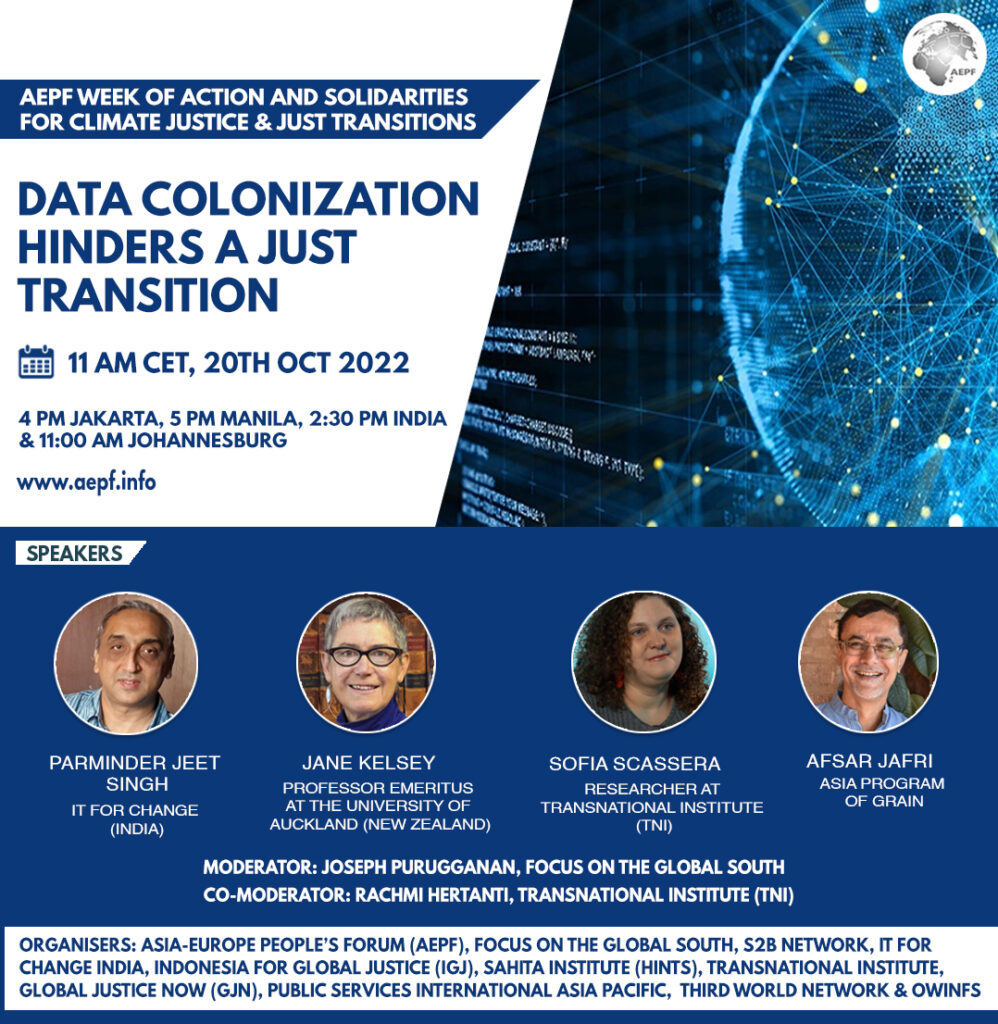
Data Colonization Hinders A Just Transition

Data Colonization Hinders A Just Transition

Watch the Webinar

Big data and internet companies now control our lives and livelihoods. What rules should apply to these companies? Hear our experts in this webinar

Speakers:

1. Parminder Jeet Singh, IT for Change (India)
2. Jane Kelsey, Professor Emeritus at the University of Auckland, (New Zealand)
3. Sofia Scassera, Researcher at Transnational Institute (TNI)
4. Afsar Jafri, Asia Program of GRAI

Moderator: Joseph Purugganan, Focus on the Global South
Co-Moderator: Rachmi Hertanti, Transnational Institute (TNI)


Read More

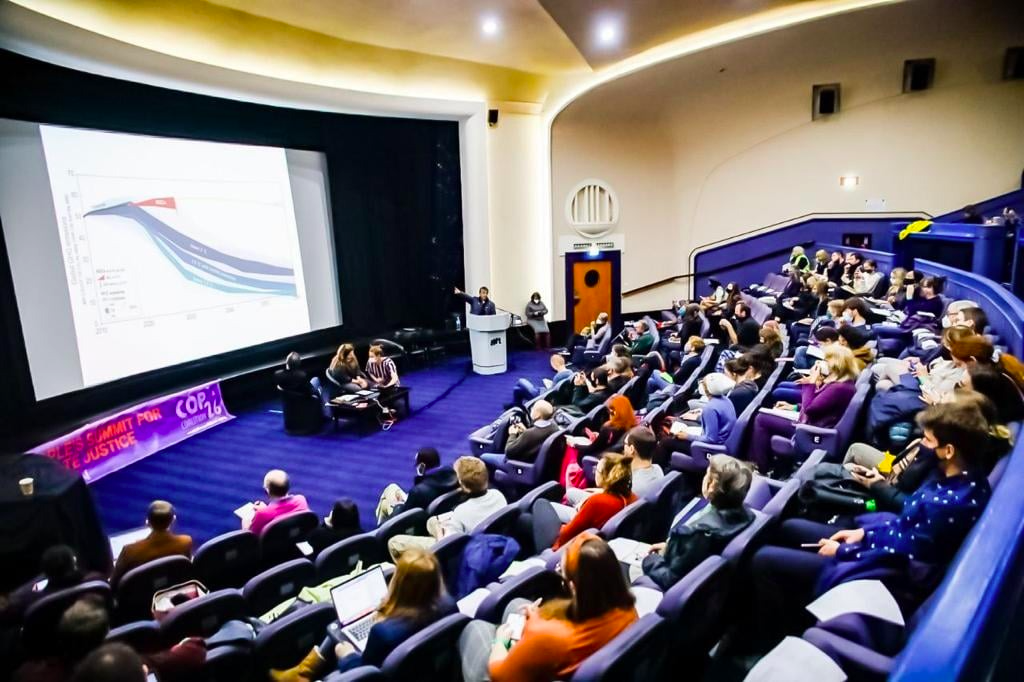
AEPF Activism during COP26

The climate crisis is being militarised to profit corporations and to entrench global inequality with severe repercussions for human rights and democracy

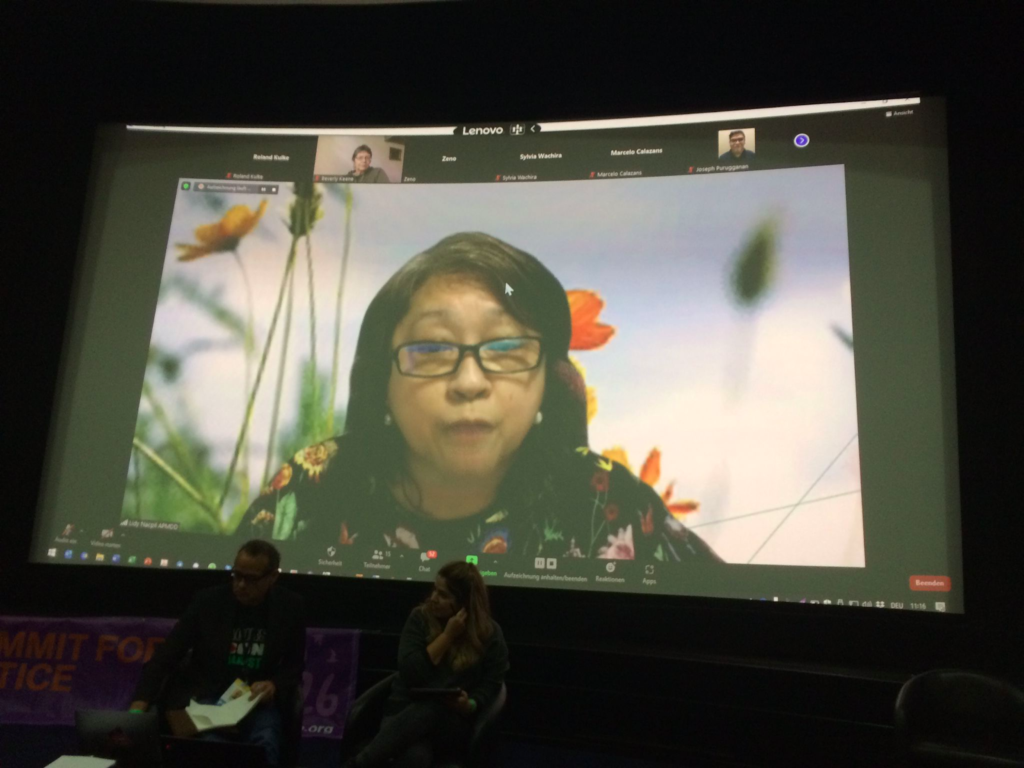
1. COP26: Peoples Tribunal: People and Nature vs THE UNFCCC, A People’s Tribunal on the UN Framework Convention on Climate Change
Co-organised by Global Justice Now, Focus on the Global South, TNI, APMDD, AEPF, ATTAC (France) and others.

2. Lidy Nacpil giving testimony to the Tribunal

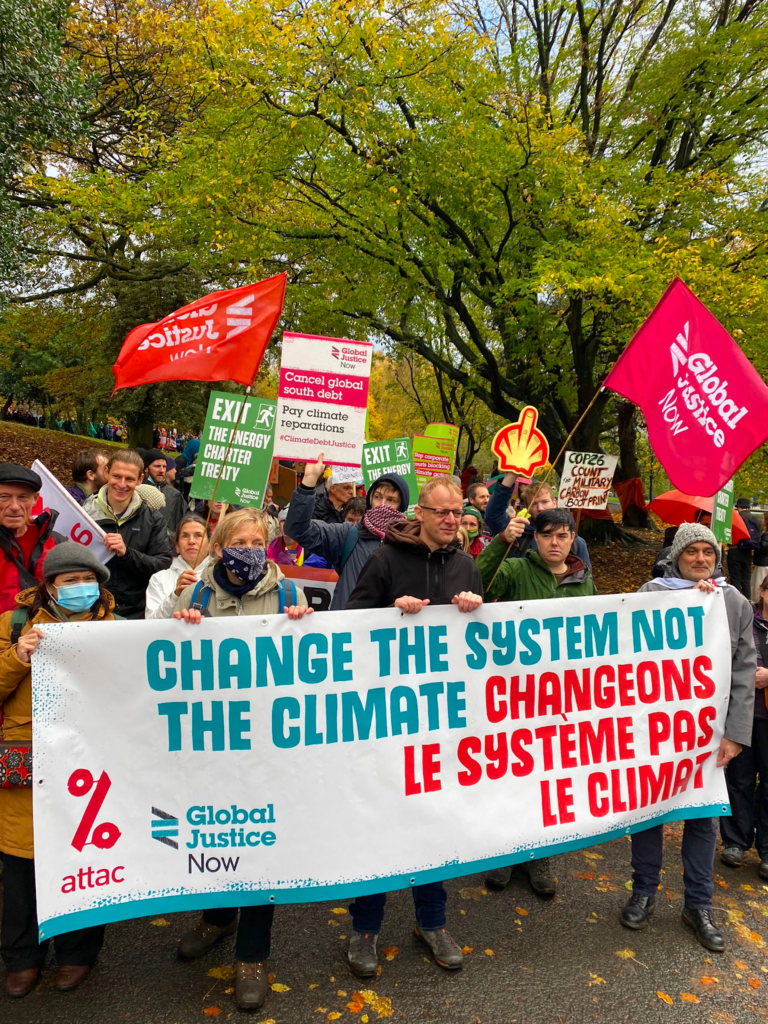
3. Global Justice Now, ATTAC France, Fresh Eyes, AEPF activists, on November 6, 2021 Global Day of Action, London.

4. Dorothy Guerrero and Zeno from ATTAC, Opening Speech during the Tribunal

5. Dorothy Guerrero and Kris Vansbrouk at the civil society demonstrations in Glasgow, COP26

6. COP26: People and Nature vs THE UNFCCC, A Peoples Tribunal on the Un Framework Convention in Climate Change

AEPF Activists’ presentations

Shalmali Guttal, Testimony at the UNFCCC Tribunal (COP26)

7. Testimony by Nick Buxton, Transnational Institute related to the Tribunal’s second charge – Failure to address social and economic injustices

The climate crisis is being militarised to profit corporations and to entrench global inequality with severe repercussions for human rights and democracy

8. Charles Santiago and Lidy Nacpil and APMDD

Press Release — Parliamentarians Call for a Fossil Fuel Free Future

9. APMDD’s comprehensive statement on the COP26 Outcome

APMDD reaction to the Glasgow Climate Pact: ‘COP26 deal fails to step up for climate justice’

10. Global Justice Now (@GlobalJusticeUK) Tweeted:

11. AEPF participation at Pakistan’s Climate Justice March

12. Dorothy Guerrero speaks on behalf of the Demand Climate Justice group at the Opening Session of COP26

Read More

The climate crisis is being militarised to profit corporations and to entrench global inequality with severe repercussions for human rights and democracy

The climate crisis is being militarised to profit corporations and to entrench global inequality with severe repercussions for human rights and democracy

Testimony by Nick Buxton, Transnational Institute related to the Tribunal’s second charge – Failure to address social and economic injustices

Jury, rapporteurs, presiding officers and everyone present here today, I am here on behalf of Transnational Institute, an international research institute based in Amsterdam, to testify to the way the most powerful nations at UNFCCC and corporations are not just responsible for causing the climate crisis, they are worsening the human impacts of the climate crisis through their responses.

In effect, the world’s most powerful elites have decided that rather than tackle the climate crisis, they will seek to militarise and even profit from its consequences. This not only will fail to address the world’s deep social and economic divides, it will most likely deepen the injustice many people face as they deal with the growing impacts of climate change.

I have been researching the response of the military and corporations to climate impacts since the early 2000s and collaborated with a team of global researchers and activists on a book, The Secure and the Dispossessed – How the military and corporations are shaping a climate-changed world, that collated our findings and came out in 2015. Since then, I have worked with more researchers to specifically look at the way borders are being militarised against refugees including those partly displaced by climate disasters. This is providing booming profits to a a small and powerful border security and immigration enforcement industry while threatening the rights and often the lives of those most affected by climate change.

It is impossible to detail all the findings, but here is some key evidence that supports that the richest countries and corporations are deepening the climate crisis by their responses to its impacts:

At the same time as the world’s richest nations have failed to agree sufficient emission cuts and support for climate finance at climate summit after climate summit, they started to develop and invest in climate security plans to anticipate and plan for the consequences of climate change. These include the 2007 Age of Consequences report in the US and the EU Climate change and international security paper of 2008. The plans look to strengthen the already bloated militaries of the Global North, to capitalise on melting ice in the Arctic, to protect corporate supply chains, and militarise borders.

  •  This has led to massive growth in military and border spending by states. Global military spending has almost doubled since the end of the Cold War to $2 trillion today, and border spending has exploded. In Europe, the budget for the European Union (EU) border agency, Frontex, has increased by a whopping 2763% since its founding in 2006 up to 2021. Similar rises have happened in border budgets in other industrialised countries.
  • In our latest report, Global Climate Wall, we found that seven of the biggest historic emitters of GHGs – the United States, Germany, Japan, the United Kingdom, Canada, France and Australia – collectively spent at least twice as much on border and immigration enforcement (more than $33.1 billion) as on climate finance ($14.4 billion) between 2013 and 2018. Canada spent 15 times more, Australia 13 times more and the US almost 11 times more. At the same time, we know that none of these countries are reducing emissions in line with the Paris Agreement. In other words, the richest nations are choosing to prioritise arming themselves against people displaced by climate change, rather than tackling climate change and investing in supporting countries to deal with climate impacts, including displacement.
  • In the process, they are providing booming profits and increased influence and power to a growing border security industry, made up of many of the same arms firms that are also hope to profit from anticipated climate wars. The border industry market is expected to be worth $65 billion by 2025, and is active in the corridors of power in Washington DC, Brussels, London and elsewhere lobbying successfully for ever more resources to fund militarised borders. Our recent research showed in the US that the top border contractors through individual donations and their Political Action Committees (PACs) gave more than $40 million during the 2020 electoral cycle to both the Democrat and Republican parties.
  • This diverts resources and attention from what is needed  – funding a Green New Deal, paying the rich countries’ climate debt to the South, paying for the loss and damage caused by climate change. It does nothing to tackle the structural inequities in the global economy where 22 men have more wealth than all the women in Africa. Rather it consolidates that injustice.
  •  It is also driving a new wave of authoritarian politics and repression of human rights. Throughout Europe, Australia and North America, migrants are being illegally pushed back, including right now on the border with Poland and Belarus, detained in terrible conditions, and deported back to countries which are known to be dangerous for civil and human rights. Rather than rescue desperate people, the richest countries are cutting back rescue efforts in areas like the Mediterranean, leaving tens of thousands to die. Even well outside the richest nations, migrants aren’t safe, as the richest countries seek to impose and finance border control efforts within neighbouring nations. In North Africa, the European Union is so obsessed with controlling migration, that they are funding security forces in 35 countries to restrict migration, of which half have an authoritarian government and only four can be deemed democratic. Meanwhile, those who reach out in solidarity to assist refugees are increasingly being criminalised. Activists in the Mediterranean saving lives when states refuse to do so have faced seizures of ships, charges of smuggling, legal threats, massive fines, armed police raids, and even imprisonment.

All of this shows that the most powerful countries in the UNFCCC and its corporations are not solving but deepening climate injustice. Their actions if unimpeded by popular movements will turn our climate crisis into a climate hell for the dispossessed of the world. They are turning those most impacted by climate change into threats that must be tackled and confronted with walls and guns, rather than people who deserve justice and demand international solidarity.

Read More

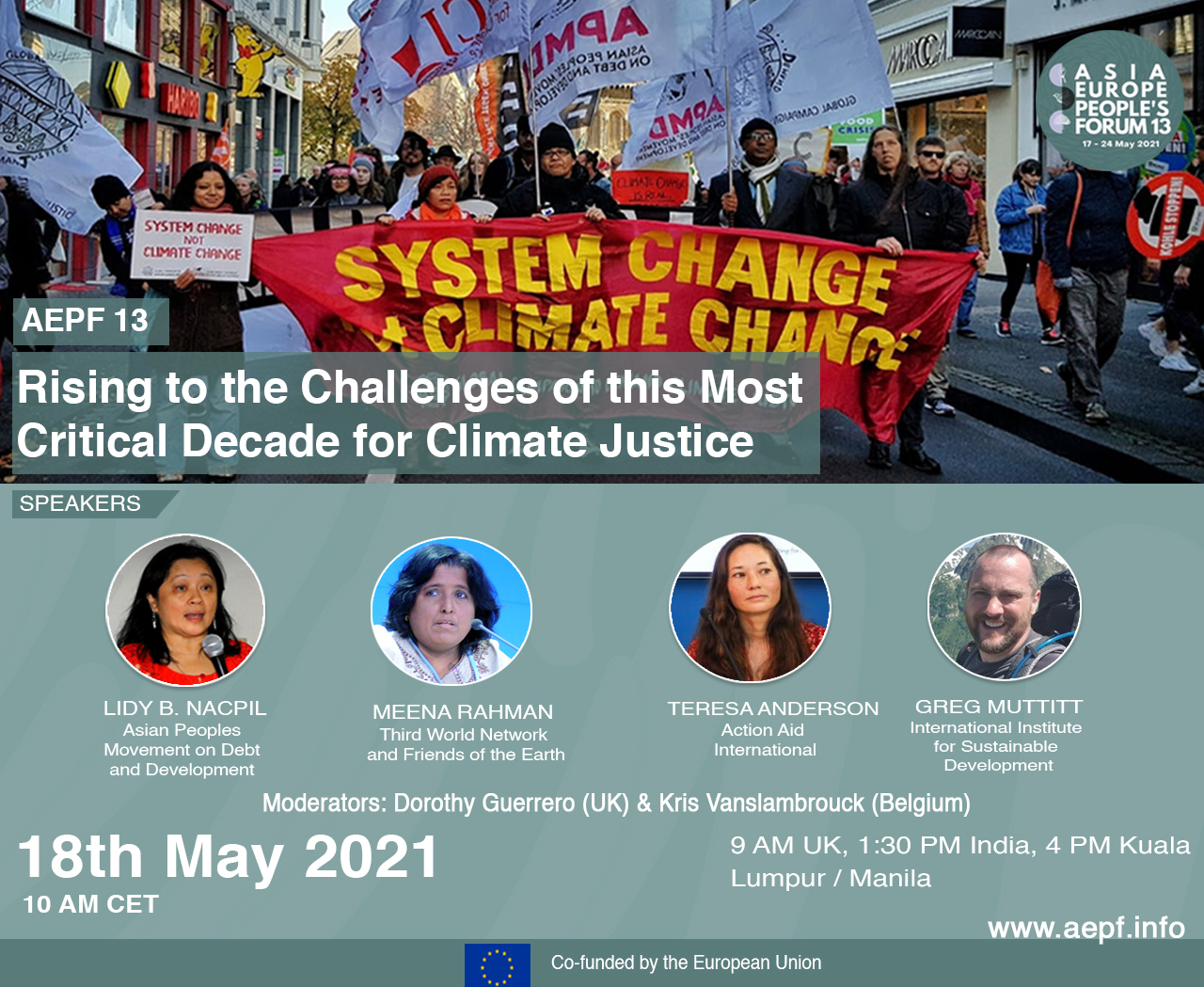
Rising to the Challenges of this Most Critical Decade for Climate Justice

Rising to the Challenges of this Most Critical Decade for Climate Justice

Watch the Webinar: 

1. Meeting the requirements of keeping global temperature rise to below 1.5 degrees celsius – and where governments are at vs their fair shares

2. Climate Finance

3. The challenge of Real Zero and the dangerous deception of Net Zero

4. The Fight to End Fossil Fuels Equitably and through a Just Transition

5. Food, Land, Agriculture and Climate Change

Speakers:

Lidy B. Nacpil: Asian Peoples Movement on Debt and Development
Meena Raman: Third World Network and Friends of the Earth
Teresa Anderson: Action Aid International
Greg Muttitt: International Institute for Sustainable Development

Moderators: Dorothy Guerrero (UK) & Kris Vanslambrouck (Belgium)

Resources: 
Presentation: Equitably ending fossil fuel extraction by Greg Muttitt
Presentation: The Net Zero Fallacy by Meena Raman

Organisers: AEPF Cluster on Climate Justice & Just Transition

Read More