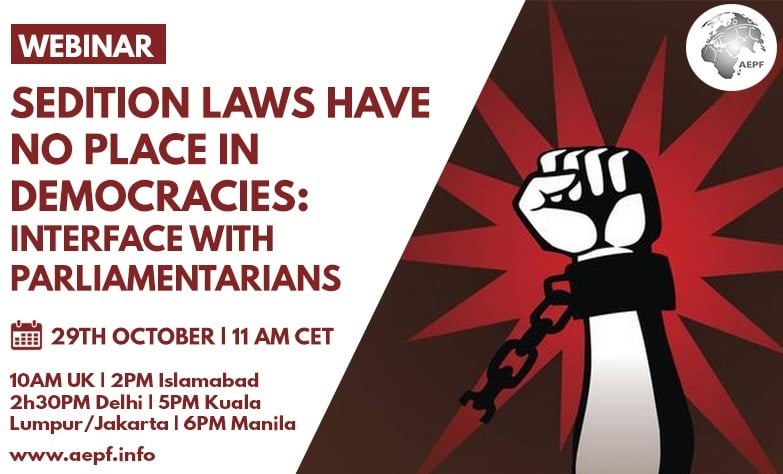
Webinar – Sedition laws have no place in democracies: Interface With Parliamentarians

Webinar - Sedition laws have no place in democracies: Interface With Parliamentarians

This is the first webinar in a series of three on the “Right to Dissent”!

This conversation with parliamentarians from different countries will focus on the laws that many states use to curb the right to speech and peaceful assembly.

Watch the Webinar: 

Also Watch: 

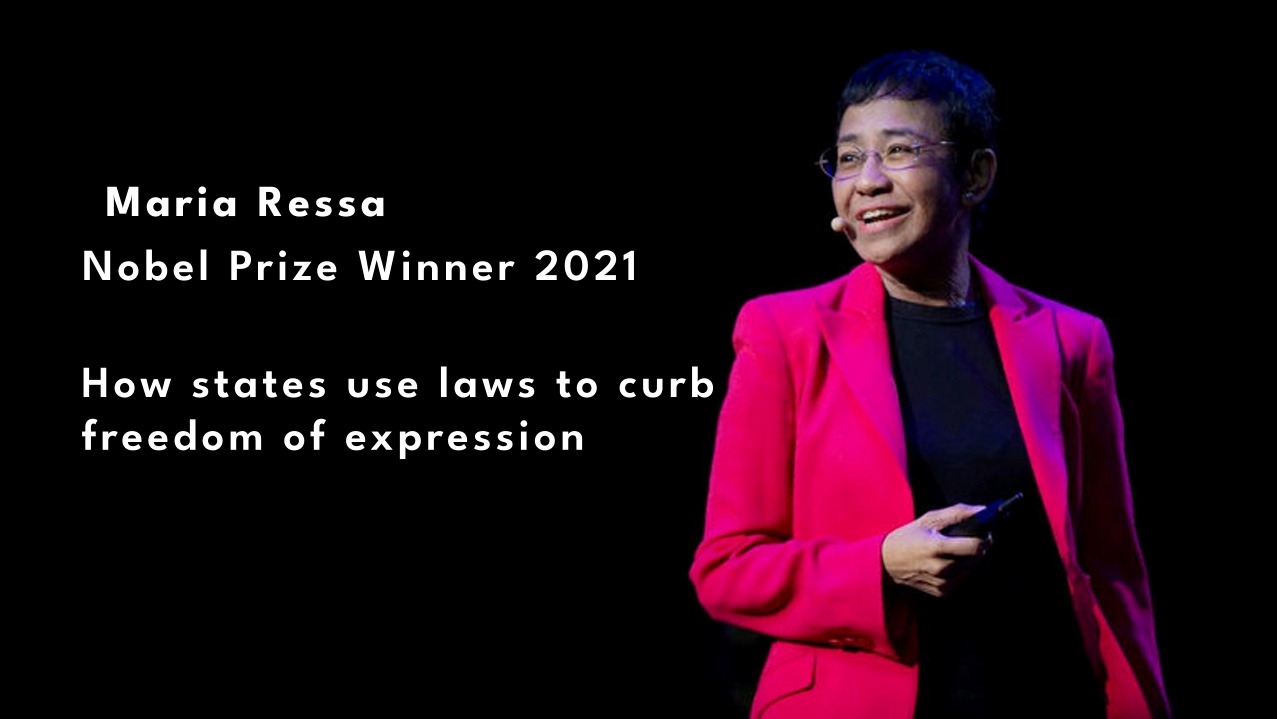
Maria Ressa, Nobel Prize Winner 2021 speaks: How states use laws to curb freedom of expression.

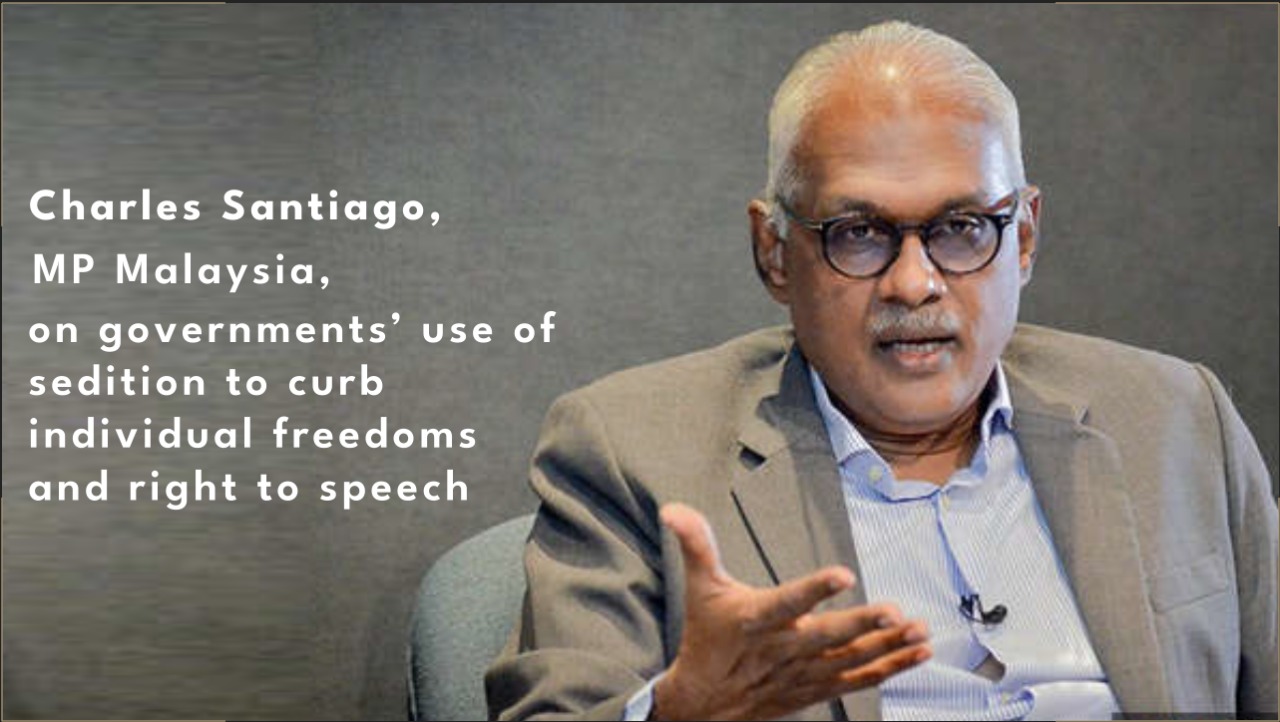
Charles Santiago, MP, Malaysia speaks on: Governments’ use of sedition to curb individual freedoms and right to speech

Read More

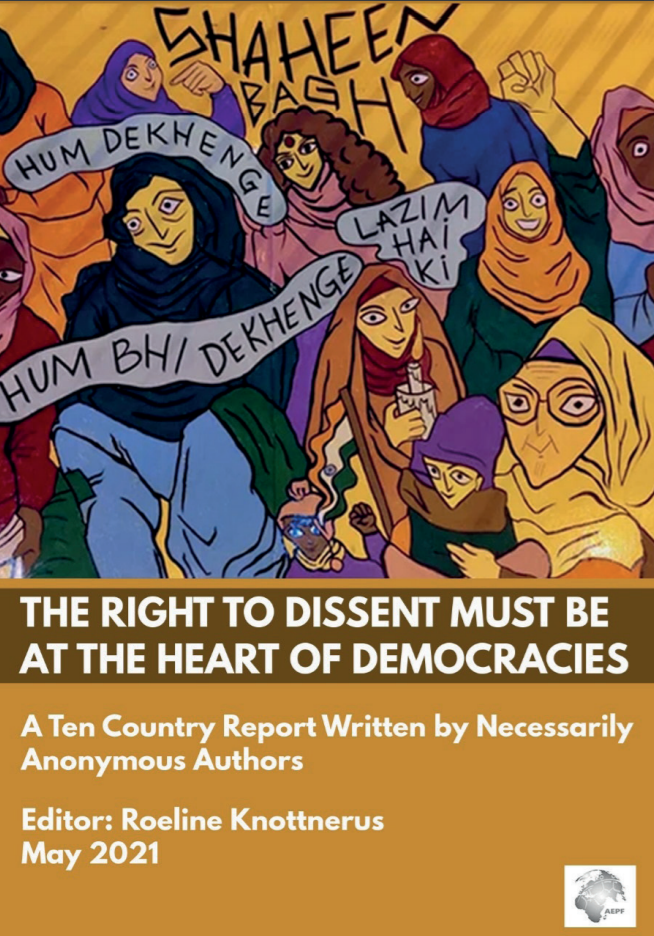
REPORT: THE RIGHT TO DISSENT MUST BE AT THE HEART OF DEMOCRACIES

REPORT: THE RIGHT TO DISSENT MUST BE AT THE HEART OF DEMOCRACIES

This 10 country study analyses trends on how, who and why dissent is being throttled in these countries. It gives examples of laws and methods being used to curb dissent and what mechanisms are employed and how they curb democratic voices. The publication has a theoretical framework and conclusion that show broad trends in these countries.

AEPF’s 10-country study reveals that ‘Dissent is at the heart of Democracy’ (Download)

Read More

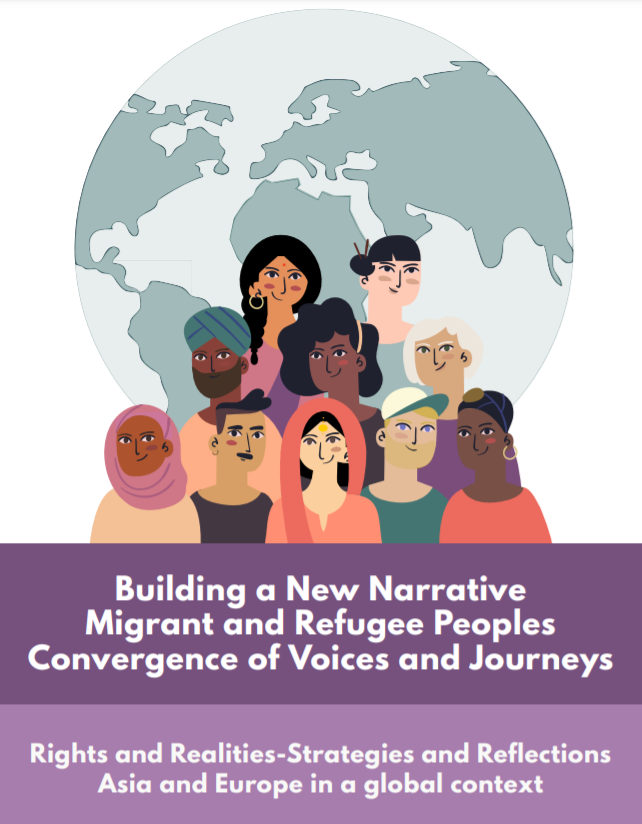
Building a New Narrative Migrant and Refugee Peoples Convergence of Voices and Journeys

Building a New Narrative Migrant and Refugee Peoples Convergence of Voices and Journeys

This publication, Building a New Narrative, Migrant and Refugee Peoples: Convergence of Voices and Journeys, brings together diverse and distinct elements in the construction of a new Narrative on Migrant and Refugee Peoples. It is the narrative that is being written in the lives and work of migrants and refugees and in their strategies and protagonisms for transformative system change which they are participating in together with social movements and other social and political actors.

It marks a moment of convergence at the Asia Europe Peoples Forum (AEPF 13), in May 2021 – a Round Table that brought together activists, leaders and analysts drawn from migrant and refugee organisations, as well as from social movements, trade unions and from civil society and solidarity organisations. It focuses the perspectives shared there as part of a process of ongoing struggles and engagements and does not aim to be a comprehensive overview.

Download / Read the Publication

Read More

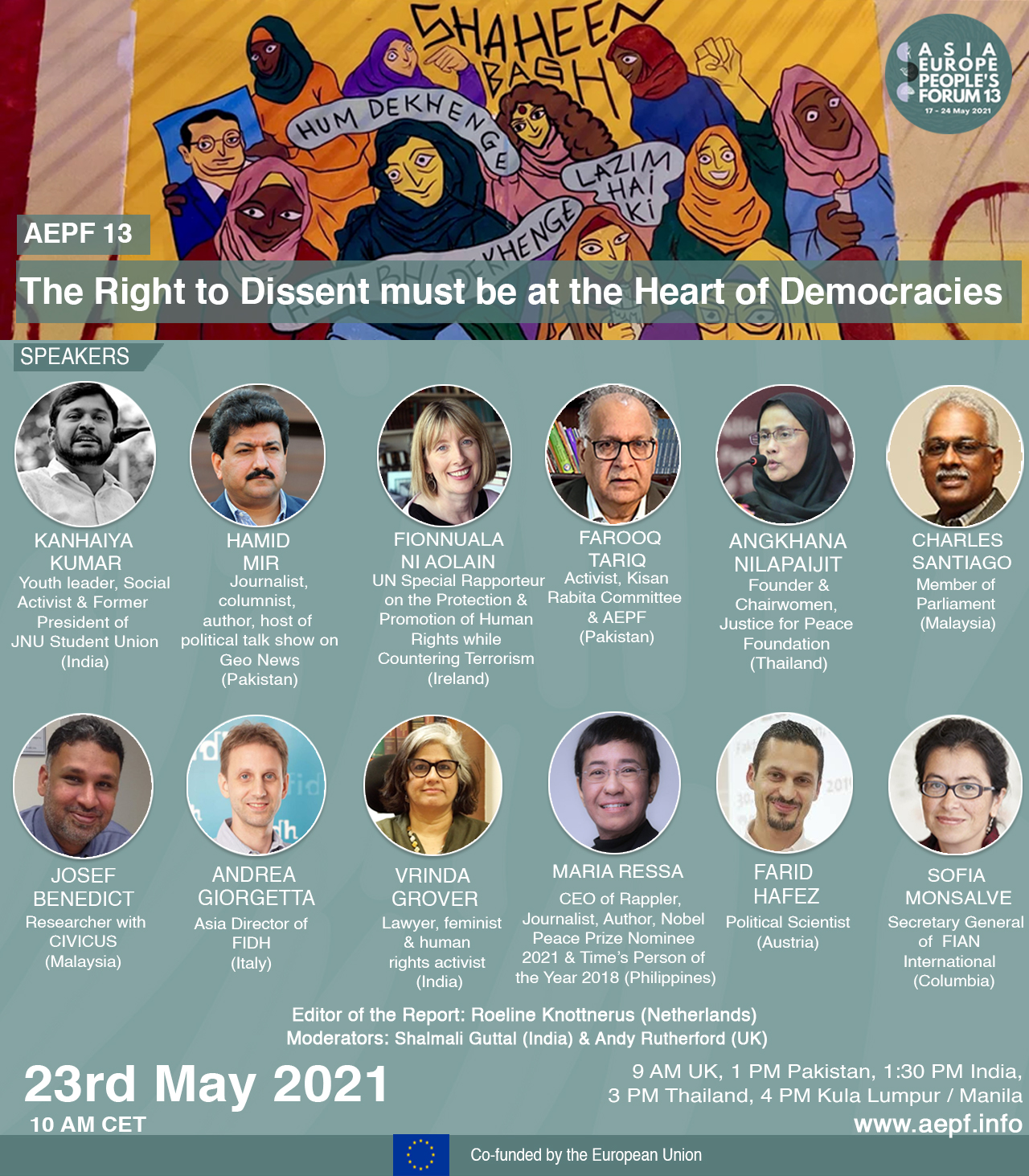
The Right to Dissent must be at the Heart of Democracies

The Right to Dissent must be at the Heart of Democracies

Watch the Webinar:

AEPF’s 10-country study reveals that ‘Dissent is at the heart of Democracy’ (Download)

In this session, we launched a 10 country study that analysed trends on how, who and why dissent is being throttled in these countries. It gives examples of laws and methods being used to curb dissent and what mechanisms are employed and how they curb democratic voices. The publication has a theoretical framework and conclusion that show broad trends in these countries.

The aim of this plenary session was to launch a call for a global coalition that can plan and initiate a campaign to revitalise the universal rights to speech, expression, peaceful assembly and dissent. We wanted to raise awareness through advocacy amongst people about the inter linkages between rights, participatory democracy, social justice and human development.

We wanted to bring to the notice of the global community the voices that are being oppressed and cannot be heard in some specific countries; to bring international pressure on the systematic abuse by states of individual and collective liberties.

In this session we also wanted to form and interlink the community of jurists, activists, Rights Defenders and organizations for collective action against official and “extra-official” measures of oppression, silencing and persecution.

Lastly, we linked and advocated for the freedoms of expression and speech, and the right to information with deepening democracy.

Speakers: 

  • Kanhaiya Kumar: Youth leader, Social Activist & Former President of JNU Student Union (India)
  • Hamid Mir: Journalist, columnist, author, host of political talk show on Geo News (Pakistan)
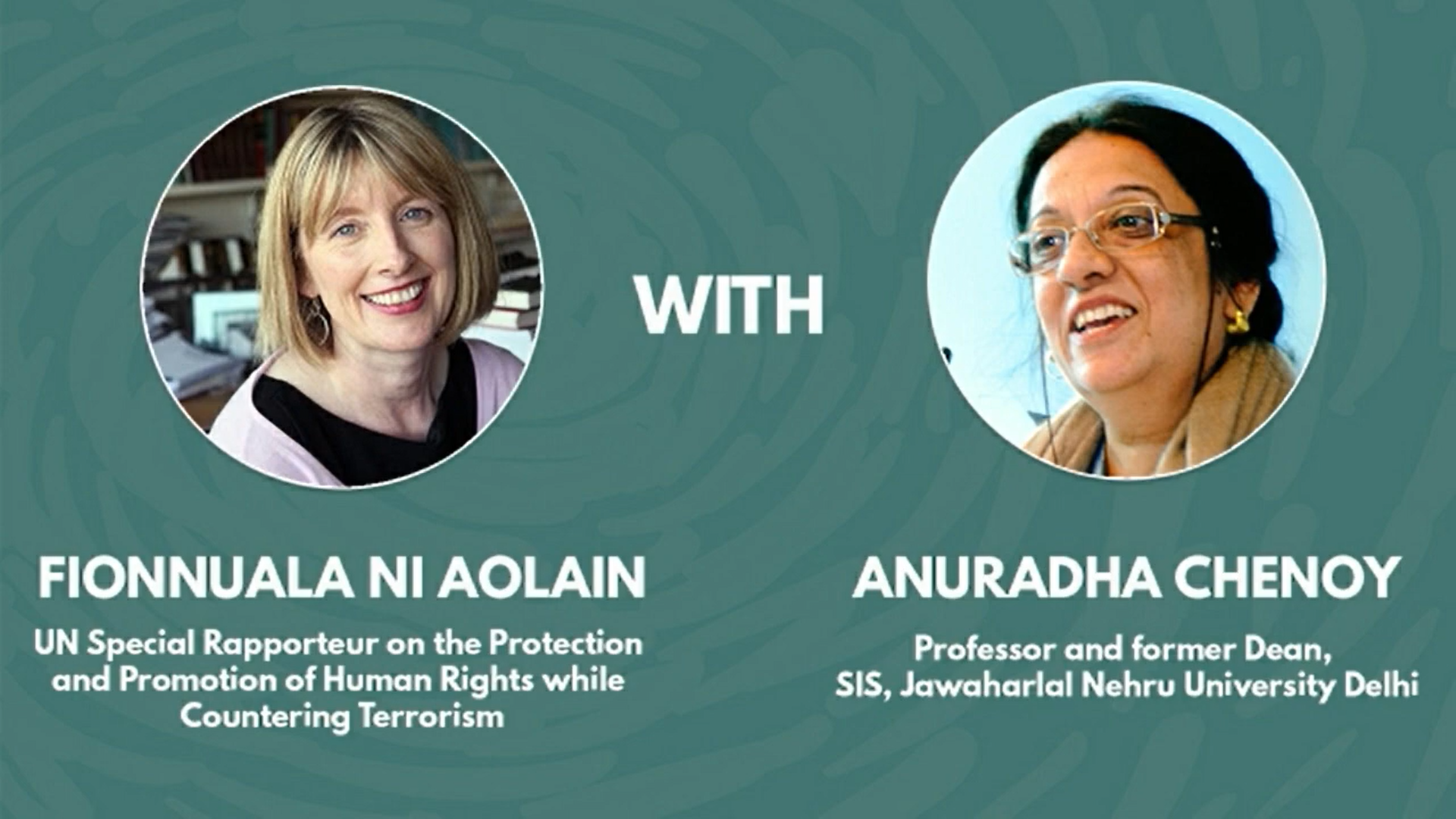
  • Fionnuala Ni Aolain: UN Special Rapporteur on the Protection & Promotion of Human Rights while Countering Terrorism (Ireland)
  • Farooq Tariq: Activist, Kisan Rabita Committee & AEPF (Pakistan)
  • Angkhana Nilapaijit: Founder & Chairwomen, Justice for Peace Foundation (Thailand)
  • Charles Santiago: Member of Parliament (Malaysia)
  • Josef Benedict: Researcher with CIVICUS (Malaysia)
  • Andrea Giorgetta: Asia Director of FIDH (Italy)
  • Vrinda Grover: Lawyer, feminist & human rights activist (India)
  • Maria Ressa: Journalist, Author, Nobel Peace Prize Nominee 2021 & Time’s Person of the Year 2018 (Philippines)
  • Farid Hafez: Political Scientist (Austria)
  • Sofia Monsalve: Secretary General of FIAN International (Columbia)

Editor of the Report: Roeline Knottnerus (Netherlands)

Moderators: Shalmali Guttal (India) & Andy Rutherford (UK)

Organisers:AEPF Cluster on Participatory Democracy,Human Right & Migrant Rights

Read More

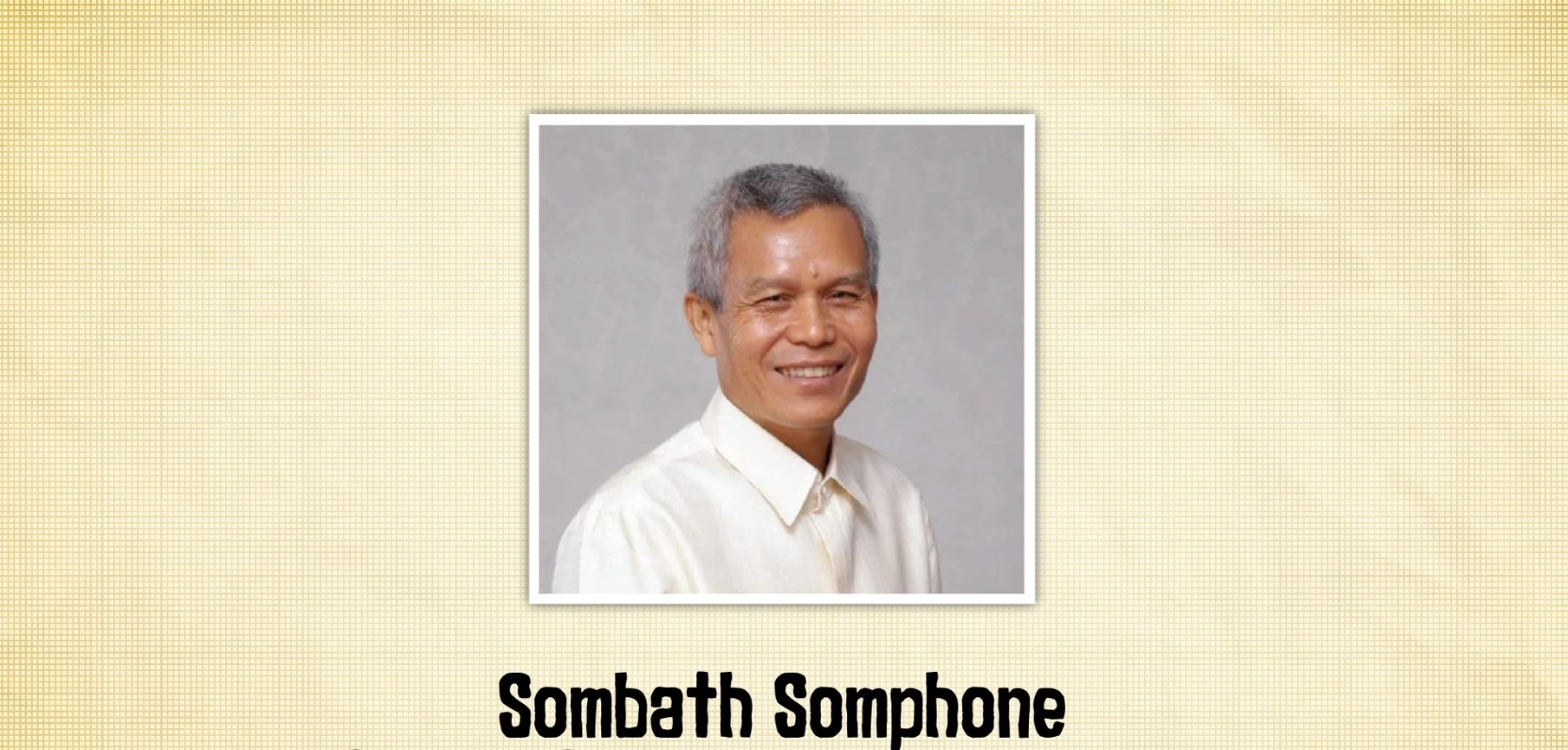
For 8 years, I am asking my government: Where is Sombath?

For 8 years, I am asking my government: Where is Sombath?

The Asia Europe People’s Forum wants to express solidarity with Human Rights Defenders worldwide, who risk their lives daily when they speak out and stand up for the rights of people in precarious situations.

For 8 years, Shui Meng is asking her government “Where is Sombath?”.
Her husband, who dissapeared in 2012, is a symbol of ten thousands of people who disappeared while raising their voice.

The Asia Europe People’s Forum released a statement and a video to demand international organizations, governments, parliaments, institutions, civil society organisations and others to end enforced disappearances and deliver justice to the victims.

Please support us by:

1. Sharing the video
Facebook: https://fb.watch/2hCi36e66C/
Twitter: https://twitter.com/_AEPF/status/1336963902848999427

2. Signing the statement: https://rb.gy/1lgqgh

Read More

Violating Human Rights Legally: Pakistan’s new Bill to curbs freedom of Expression

Violating Human Rights Legally: Pakistan’s new Bill to curbs freedom of Expression

Many populist authoritarian regimes in the Third World have been violating human rights, clamping down on protests, charging intellectuals, journalists and poets by misusing anti-terror and sedition laws. Recently we witnessed the murder of a peasant leader in Philippines. India’s majoritarian and Islamphobist Parliament  passed discriminatory citizenship laws in 2019. Now the Punjab Assembly in Pakistan has passed a bill that legally promises to not only curb freedom of expression but is set to raid, and confiscate any publication if they deem it against the interest of the nation. Clearly, the interest of an anti-democratic regime has been claimed as the ‘nation’. 

We are giving below a statement signed by Pakistan’s civil society that expolains this draconian legislation. 

Tahaffuz-e-Bunyad-e-Islam Bill; an invasion on freedom of expression and critical thinking

Publishers, booksellers, writers, lawyers, students’ collectives, teachers’ collectives and human rights and grassroots organisations in Pakistan are extremely concerned about the Tahaffuz-e-Bunyad-e-Islam Bill passed by the Punjab Assembly on July 23, 2020. 

We believe the Bill is an invasion on freedom of expression and critical thinking and will also spell disaster for the printing and publishing industry in Punjab that employs tens of thousands of people.

 The Bill gives a bureaucrat, the Director General Public Relations (DGPR), in section 7, the powers to raid a publishing house, book store or printing press and confiscate copies of material the authorities deem “violatory”. The DGPR or his/her authorised officers will also have the power to “inquire into, investigate, assess or ascertain any act or omission”.

In section 8 called ‘Regulation of national and foreign books’, the Bill goes even further and in an unprecedented manner make it mandatory for all books (local or foreign; first editions or reprints) to seek the approval of the DGPR before they can see the light of the day. Section 8(3) enunciates that that the DGPR has the power to “refuse permission to import, print or publish a book” if it is “prejudicial to the national interest, culture, religious and sectarian harmony.” The same powers will be exercised by the Muttahida Ulema Board (MUB) for books concerning religion, according to sub-section 8(4).

 It is clear that disguised as a law protecting the foundations of Islam, the Bill is an attack on freedom of expression and is in conflict with constitutional provisions protecting the same freedoms. We are concerned that the DGPR/MUB does not have the intellectual and physical capacity to evaluate book manuscripts. 

We are also in principle fundamentally opposed to the very idea of seeking approval from a bureaucrat/MUB prior to publishing or selling a book. Equally, we are fully opposed to the confiscatory spirit of the Bill sanctioning the DGPR to raid offices and stores. This kind of power has no place in a democracy.  

 We believe the Bill is a ferocious attack on the already-dwindling publishing industry of Pakistan, of which Punjab is a major part. In a province where bookstores are fast turning into stationary shops and publishers are decreasing in number, the Punjab government should devise policies supporting the publishing industry by helping create cheap paper locally, incentivising local publishers and booksellers, encouraging public libraries to procure locally-produced books and creating public events to showcase local writers’ and publishers’ works to both the local and international audiences. 

Instead, the Punjab government has passed a Bill that will suffocate the already-diminishing reading culture in Punjab. The publishing industry in Punjab is finding it incredibly hard to sustain beyond the textbook sphere; this law is an attempt to pave the way for its extinction.

 Although the Bill has gone back to the Assembly for discussion, as publishers, book sellers, writers, academics, lawyers, students and human rights activists, we want to send a strong message to the legislators that we will not accept this Bill in any form. 

Even after the legislators address the concerns of the Shi’a community, the repressive and confiscatory character of the Bill will remain intact in sections 7(1), 7(2), 8(1), 8(2), 8(3), 8(4) and 8(12), devised to isolate progressive and critical voices and push publishers out of business. If the Bill is not scrapped, we reserve our rights to protest, agitate and challenge its constitutionality in order to preserve our right to freedom of expression.

Signed by:

Folio Books (Publisher, Lahore)
Vanguard Books (Publisher, Lahore)
Readings (Bookstore, Lahore)
Mr Books (Bookstore, Islamabad)
Books and Beans (Bookstore, Lahore)
Fiction House (Publisher, Lahore)
Mavra Books (Publisher, Lahore)
Jamhoori Publications (Publisher, Lahore)
Sanjh Publications (Publisher, Lahore)
Ilmi Book House (Bookstore, Lahore)
Mashal Books (Publisher, Lahore)
Dogar Publisher (Publisher, Lahore)
Auraq Publications (Publisher, Rawalpindi)
Beacon Books (Publisher, Multan)
Maktaba Daniyal (Publisher, Karachi)
Welcome Book Port (Bookstore, Karachi)
Gosha-e-Adab (Publisher, Quetta)
Roshni Publication (Publisher, Hyderabad)
Shah Latif Kitab Ghr (Publisher, Hyderabad)
Humsari Magazine (Publisher, Hyderabad)|
Indus Academy (Publisher, Hyderabad)

The following human rights and research organisations, teachers’ and students’ collectives, academic platforms, democratic fronts, alternative media and movements also signed the statement

 Human Rights Commission of Pakistan
Haqooq-e-Khalq Movement
Democratic Commission for Human Development
National Commission for Justice and Peace
Progressive Academics’ Collective, Lahore
Progressive Academics’ Collective, Karachi
ASR Resource Centre
Centre for Social Justice
Aurat March, LahorE
Afkar-e-Taaza
Women Democratic Front
Women Action Forum
Pakistan Kissan Rabta Committee
Daily Jeddojehad Online
Voicepk.net
Progressive Students’ Collective
Authors’ Alliance
Lahore Education and Research Network

Farooq Tariq
General Secretary,
Pakistan Kissan Rabita Committee

Read More

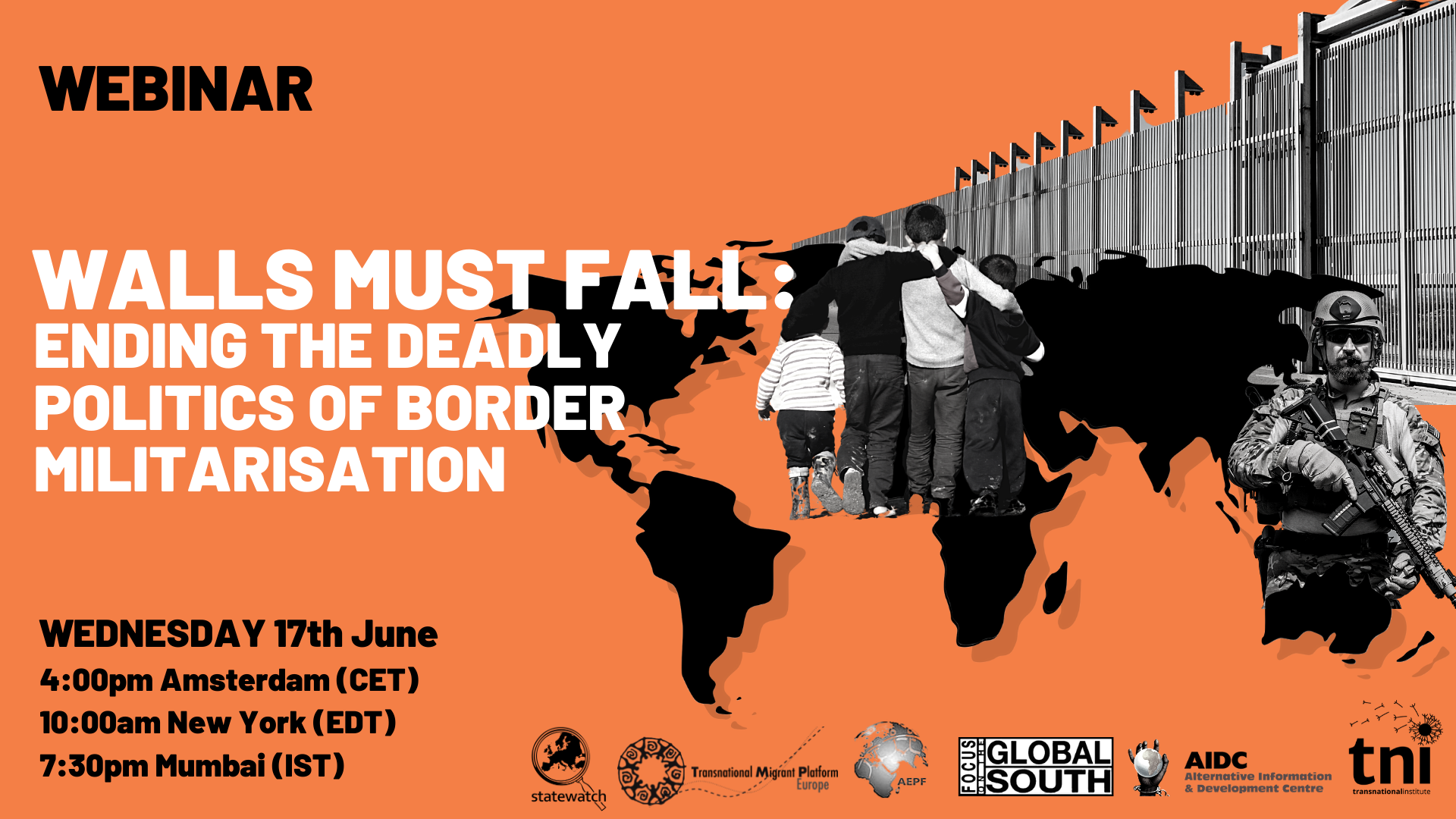
Webinar: Walls Must Fall – Ending the Deadly Politics of Border Militarisation

Webinar: Walls Must Fall - Ending the Deadly Politics of Border Militarisation

AEPF Working Group on Democratisation and Human Rights
Webinar collaboration with Trans National Institute, AEPF, Focus on the Global South, Alternative Information and Development Centre (South Africa).

Watch the Webinar Live

Speakers:

(1) Harsha Walia, author of Undoing Border Imperialism (2013) 
(2) Jille Belisario, Transnational Migrant Platform-Europe
(3) Todd Miller, journalist and author of Empire of Borders (2020), Storming the Wall (2019) and TNI’s report: More than a Wall (2019)
(4) Kavita Krishnan, All India Progressive Women’s Association (AIPWA)

This webinar where AEPF collaborated was part of the TNI series around issues emerging from Covid-19, on issues not covered by the news with the aim of deepening action and understanding. The focus was to provide analysts and activists new ways of understanding. People from almost a 70-80 countries watch the TNI webinars and almost 1000+ people register. It was also translated into Spanish.

SUMMARY:

Harsha Walia, who is located in the indigenous territories of Ottawa, Canada spoke on border imperialism. When thinking of borders we tend to think of static external structures, however these are key methods of imperialism, militarism, xenophobic and elastic nationalism that keeps changing its site of control. Border governance is now both externalised and internalised. These border policies are used across the world and can exist anywhere. The key pillar is border imperialism. The narrative of border imperialism is that states (in the West but also India, Israel, Turkey, etc.) present themselves as victims and migrants have been made bargaining chips (Turkey etc.) And Colonialism and its history of making migrants and becoming settlers is erased. Further migrants are in many cases, being reorganised, into precarious labour and managed when required for capital generation and temporary farm workers.

During the Covid-19 Pandemic such border imperialism has increased as 57 countries have closed their borders. Harsha concluded by arguing for the freedom to return, to stay and move. 

Tod Miller spoke of how the military industrial complexes (MIC) the defence industry and private security have entered into border management and Homeland Security in the US and in many countries world over in huge way. He explained from his empirical study of how billions are being spent by states but especially by the USA on managing borders and new walls being constructed. This has increased exponentially in the Trump era. Tod showed how a key state- Israel is involved in developing these technologies of surveillance from drones, iris scans, towers etc. These surveillance and control technologies are then ‘tried and tested’ on the Palestinian (people)-Israel borders. These are then exported world over. 

Jille Bellisario presented a power point presentation that showed the externalization of borders. She used Europe as her case study. She said injustice for one is injustice for all. She presented slides to show how the Covid-19 virus has been used to end asylum policies and increase the harshness of border police.

Kavita Krishnan located her conversation in the context of South Asia and Asian migrations. She showed migration to be both a cross border as well as an internal rural to urban phenomenon, mostly by the most marginalised, landless peasantry and persecuted minorities in all of South Asia. Referring to how the Rohingyas had been harshly and forcefully pushed out of Myanmar and ethnic Tamils from Sri Lanka she showed the base of militarised politics against ethnic and religious minorities. Kavita dwelt on the issue of Bangladeshi refugees who had come into India since the Pakistan-East Pakistan conflict, when Bangladesh became a new state in 1971. This exodus from that time has been fuelled to an anti-Muslim phobia by the xenophobic forces in India. Currently this issue has morphed to create a chronology of citizenship laws that are exclusive and discriminatory towards Muslims in India. 

Kavita gave examples of the lockdown in India and world over and how harsh these policies were on workers and labour. She showed how a medical crises had been couched in militarised/ communalised language. 

All the speakers gave their support to the Black and indigenous liberation movements. And expressed solidarity with refugee and migrants movements as a step towards de-globalization.

All the speakers agreed that militarised border regimes and securitization of borders and both the external aspect as well as their internalization has only increased during the Covi-19 Pandemic. They all agreed on the need for freedom of movement and safeguarding rights of people impacted by this militarization and border control regimes. 

Read More