Social Justice – Concept Note And Workshops

Social Justice - Concept Note And Workshops

May 31, 2016

Asia-Europe People’s Forum 11
Social Justice: social protection for all, decent work, essential services, tax justice, and other egalitarian alternatives to debt and austerity measures Ulaanbaatar, Mongolia, 4-6 July 2016

1. BACKGROUND

Social justice is based on the principle of keeping people rather than profit at the centre of policy-making. It seeks to stop and correct the major historical impacts of the dominant socio-economic geopolitical system: chronic poverty, and widening inequality and exclusion.​ Concretely, in Asia, despite a booming economy, workers’ rights are crushed amid massive joblessness, work informalisation, and poverty-level income; peasants are dispossessed of their land; and millions live in hovels with barely any access to necessities for a life of dignity. In Europe, economic and social rights are also under attack through severe austerity measures. Worldwide, megarich-skewed tax policies, tax havens, and illegal money flows result in foregone revenues that could finance social programmes.

The thematic events on social justice starts with naming the problem and finding ways to redistribute resources and giving equal access to income, opportunities, and services.

The “social” policies proposed by multilateral institutions International Monetary Fund, World Bank, Asian Development Bank, European Union, etc. complement neoliberal economic policies and are at their service. This means there can be no universal comprehensive social protection, but only targeted safety-net programmes for the poor with privatised social services through public-private-partnerships, ensuring monopolistic profits to big business.

While at different levels of development, Europe and Asia face the same challenges: to pursue social justice with a renewed and more meaningful role for the State and social movements.

Today, this task is particularly daunting as democracy is receding and an authoritarian form of neoliberalism is being imposed. The proposed thematic events aim to share knowledge and insights towards building common and deeper understanding among participants. We aim to strengthen solidarities and pursue collective strategies and actions towards claiming basic human rights to decent work, essential services, and social security, as well as towards democratic ownership and control of essential services and resources, including work, which are vital to life.

2. PHASE ONE: THE PROBLEM (GENERAL CONTEXT & ANALYSIS)

The overarching problem is an authoritarian neoliberal capitalism and its social paradigm. Social policies, which should be objectives in themselves, are instead oriented towards the economy, growth, and productivity. Progressive policies should thus tackle neoliberalism, including the dogma of free trade, and strive for genuine state-guaranteed social policies with people’s control, achieving all economic and social human rights.

3.PHASE TWO: LESSONS LEARNT (ALTERNATIVES, STRUGGLES, & PRACTICES)

What successful struggles have there been in the past years in North and South, Europe and Asia? What can we learn from them, particularly on vital common concerns like health, labour, water, social security, etc.? What alliances have been made (movements, trade unions, etc.) and how necessary or useful were these political outlets?

SESSION 1: BEST PRACTICES & CASES

A look into civil society, government, or joint initiatives that have been put into practice — their strengths and weaknesses.

SESSION 2: ALTERNATIVES BEING PURSUED IN ASIA & EUROPE

An enriched discussion on alternatives with inputs from Session 1, plus key recommendations on agenda content (for government and civil society), and campaigns civil society. How can these proposed or actualised changes be collectively effected, expanded, or replicated elsewhere?

4.PHASE THREE: STRATEGISING & PLANNING

Factoring in lessons learnt, what ways are already being done in Asia and Europe, North and South, can we adopt or improve on? What strategies and actions can be developed — across regional, inter-regional, and international levels — that contribute to the necessary systemic change? What alliances should be made/how can movements be perpetuated? What common actions can we take or common demands can we make? How do we link the anti-free trade movements and the campaigns for tax justice to the movements for social justice and climate justice? How can these contribute to the growing awareness of the need for fundamental change in the economic and social paradigms in order to realise genuine democracy, freedom, and human rights? What time frames and tasks, including internal and external communication?

NOTE: The Thematic cluster ‘Social Justice’ is being coordinated by Mongolia Trade Union (Mongolia), Network for Transformative Social Protection/Institute for Popular Democracy (Phulippines), Global Social Justice/ATTAC France, and 11.11.11 (Belgium)
Read More

Resource Justice – Concept Note And Workshops

RESOURCE JUSTICE - CONCEPT NOTE AND WORKSHOPS

May 31, 2016

AEPF 11
Thematic Cluster:
Resource Justice, Land Rights, Equal access to Water, and Participation – Going beyond Extractivism (Draft programme)
“Buy land, they are not making it anymore” (Mark Twain)

Background

For consumer goods like smartphones, laptops, cars, etc. we need raw materials. Industries, especially in Europe and in East Asia, but also in South and Southeast Asia, are using every year more copper, nickel or tin. Most of the producing countries have to import most of these raw materials from other regions and countries. The consumer and industry are still ask for more. Same with agrarian raw materials. Thus landgrabbing for mining, industrialised agriculture and many other purposes like urbanisation and tourism is increasing, including water grabbing as well.

At the same time we observe an increased concentration of only a few multinational companies providing these raw materials. And the North just exports its mines to the South. Some of the countries in Asia and Europe are called “resource rich”. But this wealth is often not a chance but a curse. The extraction of raw materials is often associated with massive violation of human rights, social rights, workers rights, indigenous rights and the degradation of the environment. There is a huge lack of transparency and involvement of local and affected communities. The host governments are often not willing or not able to secure the rights of local people. The promised benefits of employment opportunities and economic development bypass local communities and even national governments might not gain by increasing revenues or foreign exchange. Critical civil society, social movements and journalists are threatened or even killed if they report about social and environment problems. Multinational companies avoid paying taxes, circumvent national and international regulations and sue countries when governments implement higher social or environmental standards.

Thematic Event 1 (phase 1): Mining in different regions

Mongolia’s mining boom is an example for the development paradigm of extraktivism. It was prepared and launched by development donor institutions “inspired” by so-called investors and led by the World Bank and IMF country strategies for restructuring and liberalizing policies. Government‘s attempts to merge a socio-developmental narrative with a neoliberal policy framework aimed at attracting large foreign mining investors has been successful but the actual implementation process of the socio-developmental provisions follow a particular strategy by the government whereby these provisions are being implemented only sporadically. This „selective absence“ of the state is resulting in political instability and has led factions of recent governments to promote measures that are viewed by the investors as feeding “resource nationalism”. Since 2013 the current elected government has embarked on the road of hectically amending national laws on land, pasture, water and environmental protection to „further improve investor friendly environment“. All laws, donor or development programs lead to ensuring more land freed up for extractive industry exploration and mining activities.

Restructuring and legal reform of this kind do not happen only in Mongolia. Mining activities in many other ‚resource rich’ Asian countries and in Europe, especially in Eastern Europe, with a longer history provide plenty of illustrative material about experiences at the economic, political, social and environmental level. Too, the reference to developments and discussions in Latin America could contribute to the understanding of development impacts, strategies of actors like companies, governments and financial institutions, framing the activities of social movements and CSOs.

Thematic Event 2 (phase 1): Land grab for crops, mining, development

Land and water are two of the main fundamentals for the livelihood of millions of families negatively affected by commercial, industrialised exploitation of natural resources. In the past few years ‚landgrabbing’ has reached threatening proportions with the increasing competition fo powerful companies from this mining sector, from agrobusiness, and from various other profit-seeking activities like financial and urban land speculation or tourism for increasingly scarce land and water resources.

Landgrabbing for Oil palm, Banana and Maize cultivation for example is one of the major threat to the forest in Asia, which produce many non-carbon benefits including food to the local communities and capture CO2 to cool the planet. 90 per cent of the palm oil to Europe comes from Indonesia, Malaysia. The Asian region supplies 25 per cent of the banana market in Europe, with the Philippines as the second largest Banana exporter after Ecuador.

However, corporations grab the forest and agricultural lands with the support of corrupt officials and the politicians. They displace local communities and criminalize the communities and leaders. There are plenty of human rights violations in those locations. They apply huge amount of harmful agrochemicals with grave impacts on the health of local people and the environment.. They pump out river water and the ground water in large scale. They find cheap labour from poor communities who loose their territories.

With the dispossession of land, forests and water, local communities loose the possibilities for self determined, economic viable and sustainable approaches towards their own development aspirations. Shrinking spaces for such alternatives lead into a vicious circle of forcing more and more people into the neoliberal development model with precarious livelihoods as low paid workers, migrants, and underemployed in the informal sectors of the economy.

Thematic Event 3 (phase 2): Lessons Learned (mining, development, agriculture, etc)

Win some, loose some! But how to change the game? – International civil society and social movements in the field of raw materials

Discussing resistance movements and learning from each other – what kind of tactics do work in different contexts?

Governments in Asia and Europe are pursuing policies that foster foreign investments, pushing for free trade agreements, bilateral investment treaties and other contracts. Yet those treaties and agreements favour the mining and agro industry. At the same time, people in Asia and Europe start to organize and protest against such treaties and practices. But a lot of these voices and protests are still isolated. There is a lack of sharing knowledge and experiences, stories of success and failures of our struggles. People miss opportunities to learn from each other.

The workshop will give the opportunity to exchange and discuss about (inter-)national struggles against resource extraction and their associated costs against the background of the discussions at the two workshops of phase 1 and phase 2. What have been failures and successes of past activities by civil society and social movements? We want to discuss which campaigns, lobbying, civil disobedience, demonstrations, media work, drafting of bills / laws, and publications, etc. were successful and which were not. And more importantly: why did they prove to be successful and what were the reasons they failed to achieve the desired outcomes? What can we learn from those past activities to inspire, inform and shape current strategies and tactics? Finding common ground where we might even be able to support each other.

Guiding questions:

Are there positive examples to learn from? What resistance movements do exist in the EU and Asia who do successful work against impacts of extractivism, the influence of IFI on extractivism processes, how these processes being monitored by civil society, etc.?

Thematic Event 4: Strategising

Have an open space strategy meeting to which we invite all speakers and participants from the other resource workshops to sit together, network and discuss what might follow from AEPF11, the resource cluster and all the workshops.

Some ideas about ‘Strategising Alternatives to Resource Extractivist Development’ (Oliver Pye)

Resource extraction and growth = Development. This sums up the development strategy pursued by nations and capital at the ASEM summit. Local groups and civil society organizations are often involved in resisting such projects, as they lead to intense pollution, land grabbing and social marginalization on the ground. But how do we go beyond localized struggles? What alternatives can we offer to this type of development at the national and transnational scale? What strategies do we have that link local struggles to a broader movement for social-ecological transformation of existing production and consumption patterns?

In this context, debates of alternative development concepts from Latin America have become very prominent. Left-wing governments increasingly pursued neo-extractivist strategies – using income from mining and oil to fund social programmes. But this does not challenge the basic model of extractivism, leading to the concept of post-extractivism, which seeks to de-link social development from ever-increasing volumes of resources taken from the ground. The concept of Buen Vivir (good life / good living) was taken up by marginalised people in urban centres like El Alto (Bolivia) which were largely neglected by the state. In Europe, social movements are putting forward the concept of de-growth as part of a social-ecological transition strategy.

In many Asian countries, local and indigenous alternatives play an important role for grass¬roots movements as well as for national politics. Most prominent on an international level is the Buddhist-inspired concept of Gross National Happiness (GNH), which serves as an alternative development index and normative orientation for development in Bhutan. In Mongolia, where mainstream development is dominated by the mining industry, the culture of nomadic pastoralism could be an important source for alternative development ideas.

This strategising workshop aims to draw on the analysis and lessons learnt from the other three workshops in the cluster to discuss forward looking strategies for social-ecological transformation in Europe and Asia. Because production and consumption patterns are increasingly inter-linked between the two continents, local and national strategies will not suffice to develop civil society alternatives that can resonate with the wider population. But do European strategies such as de-growth resonate with the situation in Asia, or do they have to be re-worked to become truly transnational strategies? And can indigenous-informed strategies in Asia leap the local scale and become generalised transformative strategies for wider society?

Possible Inputs (10 minutes):

  1. Challenging the extractivist development paradigm in Mongolia
  2. Post-extractivism and De-growth: strategies for social-ecological transformation in Europe
  3. Generalising from indigenous culture and Gross National Happiness: alternative development paradigms in Asia

NOTE: The Thematic Cluster ‘Resource Justice, Land Rights, Equal access to Water, and Participation – Going beyond Extractivism’ is being coordinated by OT Watch (Mongolia), Center for Environmental Justice/Friends of the Earth-South Asia, (Sri Lanka), and Stifung Asienhaus (Germany).

Read More

Invitation Letter and Visa Fee Waiver

Invitation Letter and Visa Fee Waiver

May 28, 2016

The AEPF11 – National Organising Committee (NOC) will prepare and send invitation letter for visa application once the names and other requirements indicated below have been received by the NOC. The invitation letter from the NOC will also serve as proof that the visa applicant is a participant of AEPF11/ASEM 11 event, thus his/her visa fee will be waived by the Embassy of Mongolia where he/she is lodging the visa application.

The NOC will also submit the names of participants who need visa to the Ministry of Foreign Affairs in Mongolia with the information and supporting document indicated below. A first batch of participant’s list will be given on June 1, 2016, then two or three more lists can follow until June 20th, 2016, as processing takes at least two weeks.

The MFA in Mongolia will send a letter containing the list of AEPF11 participants to the Mongolian Embassy in the country of the AEPF 11 participant. It will also give the list to the Immigration Office and the letter to show at immigration.

For those without Mongolian Embassies in their countries, a visa will be issued upon arrival at Ulaanbaatar Airport. But the AEPF11 participant must present the invitation letter from the NOC together with other requirements.

The following requirements for INVITATION LETTER and VISA FEE WAIVER have to be sent to aepf.secretariat@gmail.com and aepf11.organizer@gmail.com best by MAY 30.

Scanned copy of passport page with photo, name, number and expiry date
Passport details:
  • name as in Passport
  • number
  • expiry date
  • nationality
Name and address of your organization, your designation and contact details:
  • name
  • address of organization/institution
  • designation
  • contact details
  • cellphone number
  • landline
  • email address
Read More

Migration and Refugees – welcome culture and struggles

Migration and Refugees - welcome culture and struggles

May 2, 2016

By AEPF Working Group, Stiftung Asienhaus, May 2, 2016

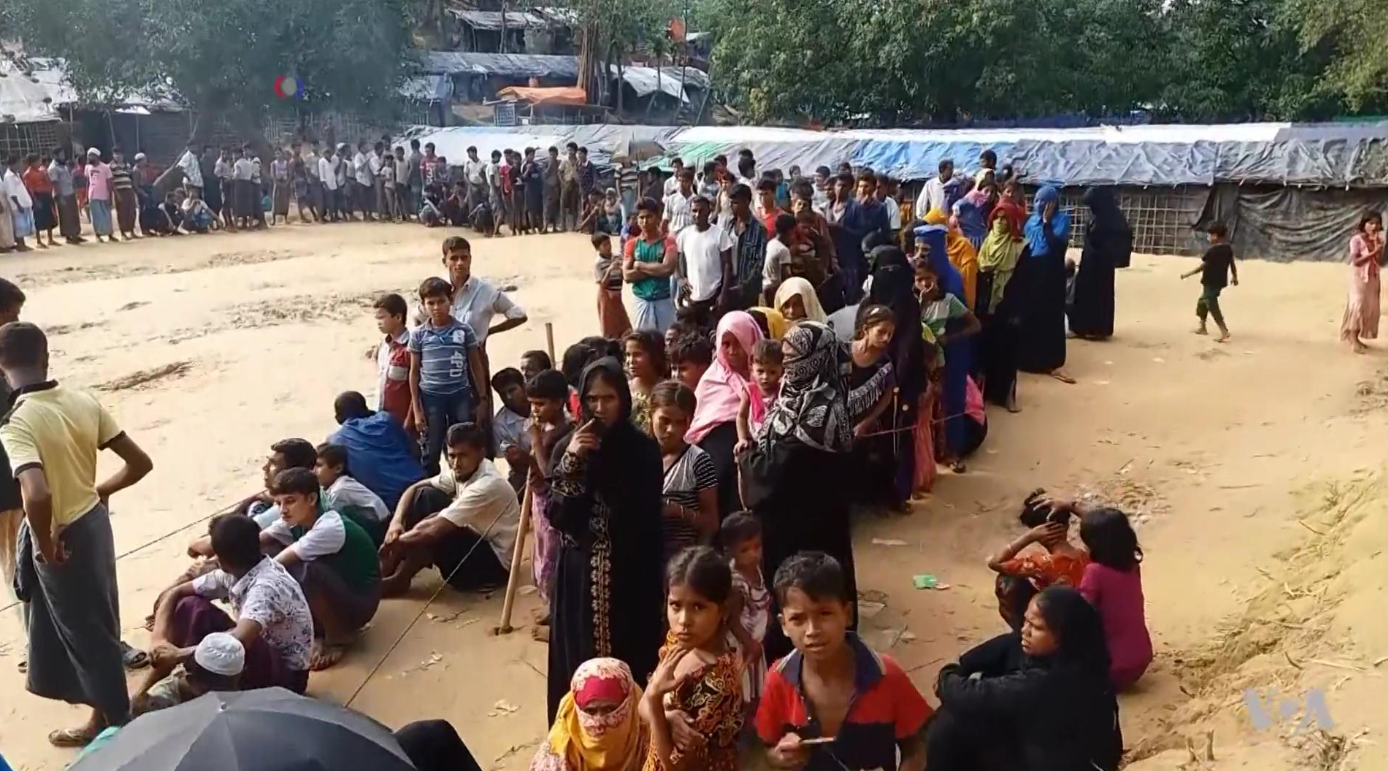
A large number of refugees and migrants are moving across countries and continents in search of a life in peace, dignity and economic security. Europe faces dramatic humanitarian situations, which have been known till recently only in the Global South. In the past years, thousands have lost their lives on their way, particularly in the Mediterranean. Hundreds of thousands of refugees are forced to move under inhumane conditions along the transit roads, live in inadequate camps or overcrowded initial reception centres waiting for registration.

Failing to address the root causes of migration, most European states respond in an increasingly authoritarian, uncoordinated and often inhuman way: fences are erected, new border regimes and policies of securisation enforced, military and police forces deployed, asylum rights are being curtailed. Organised right-wing groups in Germany set fire to refugee shelters, abuse and attack asylum seekers, right-wing populism, xenophobia, racism and antifeminism are on the rise across Europe calling aggressively for a strong state defending national identities and new border governance. Right-wing parties and governments demand to tighten legal and security measures, further deterring and criminalising refugees.

Many EU member states are unwilling to live up to values of democracy, human rights and social welfare in the state-level negotiations transforming Europe without borders (Schengen) as a political project and a social model. At the same time, civil society groups and a large number of individuals practice a “welcome culture”. Based on solidarity and voluntary work. They have set up support structures from language classes to “autonomous” schools, from medical treatment to legal advice. Although there is little formal organisation and often also no formalised spokespersons, struggles against deportation and around a right to stay, for freedom of movement and right to citizenship are popping up in many places.

A distinctive phenomenon is the merging of diverse struggles, for example those over precarious labour by migrants, and shelter, over the right to the city and against gentrification, for the commons and free access to social and public infrastructure. Protests are further characterised by the fact that refugee activists raise their voices without intermediaries and speak for themselves unfolding complex dynamics between institutional mechanisms of control and the struggles over migration. The AEPF could be a space for CSOs from Europe and Asia to deepen and broaden their understanding of xenophobia, structural racism, and border regime on the basis of an international exchange of views and experiences, including partners from migrant and refugee movements. Thus they can build momentum toward a constructive criticism and political action in specific contexts.

Read More

Trade and Investment

Trade and Investment

May 2, 2016

By AEPF Working Group, Stiftung Asienhaus, May 2, 2016

In recent years there has been a significant increase in free trade and investment deals that are negotiated and signed globally. Besides the so-called mega regionals such as the Trans-Pacific Partnership Agreement (TPP) or the Trans-Atlantic Trade and Investment Partnership (TTIP) several bilateral and regional free trade and investment treaties are on the agenda of governments and business. Besides the USA, which has recently sealed its deal with the Asia-Pacific region by signing the TPP, the European Union also looks to at Asia. The free trade agreements with Singapore or Vietnam can be understood as blue prints for future trade and investment agreements.

Trade and investment are also used as tools in development politics. The EU’s Generalised Scheme of Preferences (GSP), especially the Everything But Arms (EBA) scheme, is supposed to bring benefits to Least Developed Countries (LDC) also from Asia, giving several countries duty free access to the EU market for their exports, except arms and ammunition.

Advocates of free trade usually promote the triggering effects of such deals for cheaper production chains, the increased opportunities for exports etc. Meanwhile, critics analyze the negative impacts that will occur because the free trade and investment agreements are mainly benefiting large corporations from the global north that are looking for cheap production sites in the global south. Further, these agreements assure an easy and low cost access to human and natural ressources in countries where these „goods“ are available, namely in Asian, African or Latin American countries. The strong export orientation implied by free trade deals brings along a natural obstacle to the development of a healthy local or regional economy, which in the long run will have negative impacts on the development paths of poorer countries that followed the temptation of quick export opportunities.

Too, in times where climate change and environmental degradation are hitting the world, the endeavors of governments and business to trigger economic growth by increasing global trade – which will lead to continuously mounting global transport and hence more and more carbon emissions – seem like a mockery towards the voices of the climate and environmentalist movements but also to the climate protection deal that has been signed by governments themselves in Paris. Additionally, the trade and investment deals must be understood as a threat towards citizens’ rights and participation, democratic state-building as well as rule of law. Often these deals are negotiated in secrecy – with national parliaments or civil society often not being allowed to get insights into the draft papers while representatives of business and their lobbyists belong to the entourage of negotiators.

The mechanism of investor-state-dipute-settlement (ISDS) that is usually part of free trade and investment agreements is totally favor of corporations’ interests. It bypasses national legislation by putting its ruling to off-shore, not democratically legitimized privately run „courts“, punishing states who want to enact for example protective laws for the benefits of their citizens. Cases where national legislators decided for example to enforce laws on health protection against the interests of the tobacco industry or laws on environmental protection against the interests of polluting energy companies have shown that the ISDS will be used to make the governments pay exorbitant fines to the companies that see their future investment potential and benefits being threatened by national legislation.

Hence, in many countries in the EU and in Asia, protests of social movements, farmers, and even business as small and medium sized enterprises have been adressing the negative impacts of this development. As the ASEM summit brings together governments and companies, the AEPF shall be used as a space for the Asian and European civil society to analyze impacts of trade and investment patterns that are on the political agenda of Asian and EU governments. It shall provide opportunity to formulate specific critical analysis by taking into account the voice of citizens, but also bring up alternatives for a more sustainable development path that ensures a fair and just socio-economic agenda. It could discuss questions of how a democratic economy can look like, how a shift towards an Asian-EU fair and participatory trade agenda might look like. Further it could be a space where social movements can exchange their experiences with successful struggles, trigger solidarity among Asian and European activists and build a platform and an ongoing process beyond the AEPF summit, where movements from the EU and Asia create a stronger joint activism for a more just, democratic and sustainable future also in the economic sphere, namely in trade and investment.

Read More

Global Production Networks and Labour Solidarity between Europe and Asia

Global Production Networks and Labour Solidarity between Europe and Asia

April 30, 2016

By AEPF Working Group, Stiftung Asienhaus, May 2, 2016

The current situations of the labour movements in Asia and Europe are very different, but they are intimately connected. Over the last decades, capital has shifted production to Asia, creating new centres of production and large new working classes in China or Southeast Asia, whilst de-industrialising large parts of Europe.

In Asia, workers’ rights are often ignored by authoritarian regimes of various hues and activists can only organize in semi-legal conditions, giving rise to new forms of militant struggles. In Europe, de-investment and austerity regimes, precarisation and the rise of right wing movements and regimes place new challenges to the labour movement.

When government representatives meet at the ASEM meeting in Ulaan Baatar, their agenda will be shaped by business interests. In their vision of “development” centered on the free movement of capital, “free” trade, and growth, workers rights play a marginal role at best. Freely roaming capital and the shift of investment to low wage countries serve to shift the balance of power more firmly towards capital, while national governments facilitate and promote the flexibilisation and precarisation of work.

Meanwhile, global production networks mean that workers are connected in new and very direct ways between Europe and Asia. For the labour movement as a whole, successful struggles by the new proletariats in Asia are immensely important, as are strategies against austerity and for alternative development trajectories in Europe.

The AEPF meeting in Mongolia and the AEPF process in general is an opportunity for labour activists to learn from each other’s struggles and to develop ideas for labour solidarity between Europe and Asia. European activists have a lot to learn from semi-legal organizing strategies and militant wild cat strikes in Asia, or from organizing in the ‘informal’ sector, whilst Asian activists will be interested in recent experiences of generalizing labour struggles against austerity agendas, particularly in Southern Europe. Labour movements in both continents face similar challenges of precarious work, different forms of repression by capital and governments, the rise of nationalist movements etc. For the labour movement in Europe, successful struggles in the new industrial centers in Asia will be immensely important to stop the downward spiral in wages and social standards.

New forms of labour solidarity are needed. But labour is still trailing behind capital in forging concrete links between the two continents. In particular, transnational organizing along global production networks is still in its infancy. By connecting labour activists from Europe and Asia, we hope the AEPF process will contribute to creating concrete transnational solidarity networks that we need so much.

Read More

Climate Justice, Energy Sovereignty and a Social Ecological Transition

Climate Justice, Energy Sovereignty and a Social Ecological Transition

April 30, 2016

By AEPF Working Group, Sitftung Asienhaus, May 2, 2016

The climate movement has picked a struggle it seemingly can not win: 80 per cent of all fossil fuels have to stay in the ground if to avert catastrophic climate change yet fossil fuels remain a large share of the global energy sources; science demands a substantial cut in global emissions within a few years yet bold policies and global treaties are missing; policy makers invite business and corporations to round tables and global negotiations while business strongly oppose any far reaching climate policies; while new fossil fuel mega projects are in the pipeline millions of people lack access to affordable clean energy.

And yet the climate movement has grown substantially in the past decade: Opposing new mega projects, resisting against the fossil fuel’s industry to dig deeper and further, lobbying governments and politicians to ban environmentally destructive practice, and raising voices of those mostly affected climate change, Naomi Klein has coined the term “blockadia”. But blocking every single coal fired power plant will neither be possible nor will it lead to the substantial change needed. Climate change is not only a matter of keeping carbon in the ground or merely a matter of staging loud protest every time climate deals are sealed. It is a question of social justice, a question of power and it demands nothing less than a systemic change in production and consumption patterns, fundamentally addressing power relations between and within countries.

The climate movement is currently at the stage at which it has to move out of its climate silo and link up with other struggles. Struggles for freedom of movement, the fight against gentrification, austerity measures and cut in public services, protest against corporate influence or the need to avert another free trade agreement are important battles. People need to have the right to safely cross borders, whether they flee from war torn countries or whether the loss of livelihoods and environmental destruction is the driving force. The fight against rising prices for basic needs such as housing, transport or medical treatment are in line with the struggle against rising costs for energy for basic human needs. And the resistance against corporate influence, whether it is in secret trade negotiations or global or national legislation processes, is similar to the one against energy corporations seeking profit by wrecking the climate, receiving state subsidies and transferring prices to consumers.

The struggle for climate justice is about making sure that fossil fuels remain in the ground. But it is also about making sure that those people affected have voice in decision making processes. People need to be able to have a say on whether a new coal fired power plant is being build, on what kind of jobs are needed, or how we can move away from a system of resource exploitation and environmental destruction and what a just transition shall look like.

In Europe, radical movements for climate justice have emerged that work with civil disobedience strategies, energy democratisation initiatives and deinvestment. We reject the European Unions claim to be a “leader” in the fight against climate change. While European countries congratulate themselves for timid support of renewable energy, the same companies, banks and governments are investing heavily in new coal and extractive industries in Asia, for example in Indonesia and Mongolia. European movements need to connect up with Asian activists to confront this hypocrisy and to transnationalise their strategies. There is also a lot to be learnt from each other in terms of successful initiatives and modes of resistance. More fundamentally, we need to discuss and perhaps reconcile different perspectives – including resource nationalism, neo-extractivism, climate debt, degrowth and socio-ecological transition – in a way that reflects differential and uneven development. AEPF can be a platform to facilitate and initiate such a discussion.

Read More

Statement on Terror Attacks in Pakistan and Belgium

Statement on Terror Attacks in Pakistan and Belgium

March 31, 2016

Asia-Europe People’s Forum (AEPF)
Statement on Terror Attacks in Pakistan and Belgium

The Asia-Europe People’s Forum (AEPF) expresses its shock and grief at the death and destruction caused by the recent blasts in Lahore and Brussels. We offer our deepest condolences to the loved ones left behind by the senseless acts that killed dozens of innocent people and injured hundreds of others.

Fear and insecurity reverberate beyond where the blasts occur to everyone throughout the world. These attacks associated with the Islamic State group (Daesh) and other similar terror groups replicate a pattern of terror earlier unleashed in France, Indonesia, Turkey, and many other places.

We would like to reiterate that these acts of terror cannot be justified or seen as retribution to any injustice big or small. These ruthless actions are a crime against humanity. We condemn all acts of terrorism wherever they occur.

AEPF is an extensive network of about 500 progressive social movements composed of NGOs, people’s movements, issue- and sectoral-based networks of workers including trade unions and migrants workers, fisher folk, peasants, women, youth, urban poor, elderly, persons with disabilities, and progressive researchers, academics and parliamentarians across Asia and Europe. Members uphold the principles of democracy and human rights, social, economic and ecological justice, peace and solidarity

Read More

Save The Date for the 11th Asia-Europe Peoples’ Forum (AEPF11): Ulaan baatar, Mongolia, 4-6 July 2016

Save The Date for the 11th Asia-Europe Peoples’ Forum (AEPF11): Ulaan baatar, Mongolia, 4-6 July 2016

March 23, 2016

Building New Solidarities: Working for Inclusive, Just, and Equal Alternatives in Asia and Europe

On 15-16 July 2016, the 11th Asia Europe Meeting (ASEM11) will take place in Ulaan Baatar hosted by Mongolia. Heads of State and Government from across Asia and Europe will meet to discuss their future priorities and plans.

Prior to ASEM11, the Asia-Europe People’s Forum (AEPF) will hold its 11th biennial People’s Forum on 4-6 July 2016 under the title Building New Solidarities: Working for Inclusive, Just, and Equal Alternatives in Asia and Europe. AEPF11 will tackle strategies on major themes or People’s Visions, representing the hopes of citizens of the two regions. These are:

  • Resource Justice, Land Rights, Equal Access to Water, and Participation – Going Beyond Extractivism
  • Food Sovereignty/Food Security – Beyond zero hunger
  • Climate Justice – Towards Sustainable Energy Production and Use, and Zero Waste
  • Socially Just Trade, Production and Investment
  • Social Justice – Social Protection for All, Decent Work and Sustainable Livelihoods, Tax Justice and other egalitarian Alternatives to Debt and Austerity
  • Peace Building and Human Security – Responses to Migration, and Fundamentalism and Terrorism
  • Participatory Democracy, Gender Equality and Minority Rights

Progress towards realising these People’s Visions is key to solving the multiple crises facing people, states, and institutions. The security, ecological, debt, financial, energy, and food crises are caused and compounded by policies and practices of many governments in both rich and poor countries, particularly in their approaches to regulating business. These interlocking crises have caused increasing social polarisation between peoples and states. In Asia, they are exacerbating poverty and inequality, already widespread before the present crises. In Europe, they are creating indebtedness, joblessness, and insecurity. We are increasingly experiencing corporate capture”, whereby multinational and national corporations structure and determine our lives and livelihoods. We are facing violent responses and break down of inter-community relations and a decline in the public culture of debate and discussion. Citizens’ responses are often confined at local and national levels; to complement these, AEPF seeks to encourage and strengthen cooperation and solidarity of people’s networks regionally, inter-regionally, and globally.

This is a call to come and join us to be part of AEPF11, which is open, dynamic, and inclusive and focuses on meaningful and practical discussions and linkages for change.

AEPF11 will be an exciting, fruitful series of interlinked dialogues, workshops, actions, policy debates, and open spaces. You can be part of this in many ways: you can actively participate in building People’s Visions, co-organise an event, and/or contribute human and financial resources. There will be a call for expressions of interest to organise workshops and events soon.

Please save the date and begin discussing in your organisations and movements on how you can be a part of AEPF11. This is your forum!

Watch out for announcements on AEPF11 activities and on how to register as participant or co-organiser of events at the AEPF website www.aepf.info

For further information, you may contact: for MONGOLIA –
Urantsooj Gombosuren gurantsooj@rocketmail.com,
for EUROPE – Conny van Heemstra conny.van_heemstra@asienhaus.de, or
for ASIA – Maris Dela Cruz aepf.secretariat@gmail.com

Read More

Jakarta AEPF Thematic Dialogue on Sustainable Land and Natural Resources Management (2)

Jakarta AEPF Thematic Dialogue on Sustainable Land and Natural Resources Management (2)

January 21, 2015

One of the ten threats that the United Nations High-level Panel on Threats, Challenges and Change has officially warned the countries is environmental degradation, which is defined by the UN as “the reduction of the capacity of the environment to meet social and ecological objectives, and needs.” A most common case of environmental degradation is rapid depletion of natural resources as trade and investments have largely been on land and natural resources.

Economic activities like unsustainable industrial agriculture and fishing, and extractive industries such as mining have led to the exhaustion of our resources, and devastation of our environment and of people’s lives. Peasants, small-scale fisherfolk, pastoralists, indigenous peoples and communities are being dispossessed by the expansion of industrial agriculture, extractive industries and finance capital supported by public policies, thereby pushing these people into further poverty. Meanwhile, powerful corporations and investors are wantonly depleting fertile soils and extracting natural wealth normally through legal channels in the name of trade and investment under the cloak of legal frameworks and policies that allow them to conduct such activities.

Not only the United States, but Europe too has eyes set more steadily on Asia for trade and investment. Asia, a region rich in mineral and other natural resources, is a region of high growth but with high levels of poverty and inequality. Investments in land and natural resources are key drivers of growth in the region, thus governments are moving towards reforming policies including amending national laws and Constitutions in order to attract more foreign investments in key areas of agriculture and fisheries, mining and other extractive industries.

The European Union is strong in trade and investment in Asia which it recognized in 2006 to be an area where there is potential for growth. The EU is now Southeast Asia’s largest foreign investor while China, Japan, India, and South Korea are the big trading partners of EU in Asia aside from ASEAN. It has a strategy to create open markets in Asia in the 21stcentury that looks beyond tariff reduction to trade barriers. Its Asia-Invest Programme launched in 2006 aims to promote and support business cooperation between the EU and Asia towards increased trade and investment flows between the two regions. It can be recalled that the 2006 Communication from the Commission to the Council, European Parliament, and the European Economic and Social Committee and the Committee of the Regions, entitled “Global Europe: Competing in the World,” has argued that EU’s openness to trade to others and vice versa is not just on tariffs, but also on non-tariff barriers and access to resources such as energy, metals, and primary raw materials including agricultural materials.

The European Union has thus, over the years, pushed for bilateral free trade agreements in Asia; it has proactively engaged in negotiations for a number of significant FTAs in the region. It has been proactive in approaching Asian countries to conclude FTA in shorter time possible such as the FTAs with South Korea and Singapore which were already concluded in 2010 and 2012 respectively. The EU’s FTA with South Korea was entered into force in 2011 while the FTA with Singapore still awaits ratification by all EU member States for it to come into force. Aside from India and Japan, there are FTAs in 3 ASEAN countries that the EU also hopes to conclude soon. These are with Malaysia, Vietnam, and Thailand. Even China wants a bilateral investment treaty with the EU. The EU’s Asia-Pacific free trade policy demonstrates that it is all encompassing of Asia, signaling that China is not the only economic option for the EU.

There are other countries in the EU- FTA pipeline. In July 2014, the Philippines also signed a cooperation framework with the European Free Trade Association (EFTA) which is a first step to FTA. There are dynamics experienced by some countries in ASEAN as the FTA negotiations progress particularly towards more comprehensive trade agreements (especially in the fields of trade and investment) that need to be monitored by the communities in the two regions. Indonesia is also engaged in talks with the EU for an EU-Indonesia Comprehensive Economic Partnership Agreement (Indonesia-EU CEPA) which is expected to include provisions on investments and investor protection, but these negotiations have also been hampered since last year.

Governments in both regions recognize the crucial role of trade and investment in realizing sustainable growth. At the 10thASEM Summit held in Milan in October 2014, “Asian and European leaders reiterated their commitment to striving for an open world economy and to strengthening trade and investment relations for stronger economic connectivity between both regions. Leaders underlined their commitment to enhancing inter-regional trade and investment flows. They also recalled that there are global challenges faced by Europe and Asia that are associated with growing population, pressures on natural resources, and climate change which require improved sustainable, safe and efficient food systems as a means of ensuring food and nutrition security. ASEM leaders agreed that good land governance and secure access to land, energy, research and innovation, integrated and sustainable management of water resources, forests and fisheries, and more inclusive agricultural value chains, enhancement of public-private partnership, investment in family farming and sustainable and climate-smart agriculture are important for food and nutrition security and higher productivity of the agricultural sector.”[1]

Trade and investment policies and/or agreements in Asia especially on extractive industries are important to be built or reformed by respective member countries. For instance, it was the decision of the Indonesian government to terminate its Bilateral Investment Treaty with the Netherlands. In ASEAN, adoption of just and sustainable trade policies is being pushed by civil society in light of economic integration of the region that will come into force in 2015 and of the many bilateral and multilateral trade agreements proliferating in the region.It is important to look into the role of ASEAN as exporter of natural and mineral resources particularly to the ASEAN +3 countries (China, Japan and South Korea). Towards the ASEAN Economic Community 2015, there is no mining and extractive industry policy which sufficiently protects the State and the public from the adverse effects of investments in this sector, such as on labor, environment/climate change, and tourism.

It is therefore important to better understand and respond to the latest developments on investment cooperation agreement between the European Union and countries in Asia, particularly the challenges of the agreement to the protection of the rights of the local community and environmental sustainability.

It is with the above backdrop that the Asia-Europe People’s Forum is holding a thematic dialogue on land and natural resources with the theme: “21st Century Trade and Investment Policies: Challenges and implications on Land and Natural Resources in Asia and Europe.” This event is also a follow-through activity to the AEPF10 discussions in Milan, Italy in October 2014 in order to comprehend more the realities and technicalities surrounding the issue and strengthen recommendations to ASEM and other stakeholders especially the policy-makers in ASEM member States and governments. This conference also serves as a venue to strategise on raising public awareness on the FTAs and the role and dynamics with ASEM and its member States, and on strengthening solidarity and cooperation among civil society in advancing the alternative proposals to ASEM and our governments especially in ASEAN.

General Objective: Increase the level of understanding or knowledge of civil society in Asia and Europe on the dynamics of investment cooperation in both regions, particularly on land and natural resources, and for the civil society to be able to participate and contribute more meaningfully in dialogues on these issues with their respective governments and with ASEM which is an informal process of dialogue and cooperation among member countries that aim for creating an enabling environment for the prosperity of their people.

Specific Objectives: (a) Identify the collective advocacy strategy of Asian especially the Southeast Asian and EU civil society in addressing the challenges posed by post-Bali trade and investment agenda; (b) Tackle the important points from AEPF10 session on Sustainable Land and Natural Resources Management and strengthen recommendations to ASEM, EU, and ASEAN leaders especially in light of ASEAN Economic Integration in 2015; and(c) Come up with concrete recommendations and actions for the governments of ASEM so that its activities and actions would truly benefit the people in both regions.

Outputs

Common statement in response to the challenges and implications of investments in both regions, especially related to the land and natural resources, and containing some concrete recommendations to ASEM and member States and governments.
Action plan or working paper for campaign and lobby on the agenda on sustainable land and natural resources management including on related issues on trade and investment.

Participants

About 45 participants are targeted to attend the event. Thirty (30) resource persons and participants coming from the social movements, academe, and parliamentarians will come from Europe and Asia; and 15-20 from Indonesia, mostly those campaigning on trade, environment, and natural resources issues.

[1] Excerpt from the Chair’s Statement of the Tenth Asia-Europe Meeting (ASEM-10) Summit in Milan, Italy on 16-17 October 2014.

The AEPF will hold a thematic dialogue on natural resources with theme “21st Century Trade and Investment Policies: Challenges and Implications on Land and Natural Resources in Asia and Europe” in Ambhara Hotel Jakarta, Indonesia on 29-30th January 2015.

The dialogue forum will present and discuss the dynamics of investment cooperation in Asia and Europe regions, particularly on land and natural resources, and for the civil society to be able to participate and contribute more meaningfully in dialogues.

The event will be participated by social movements, academe, and parliamentarians from 21 European and Asian
countries.

AEPF Thematic Dialogue
on Sustainable Land and Natural Resources Management

“21st Century Trade and Investment Policies: Challenges and Implications on Land and Natural Resources in Asia and Europe”
29-30 January 2015

Read More